Categories
Blogs Rolling Mill

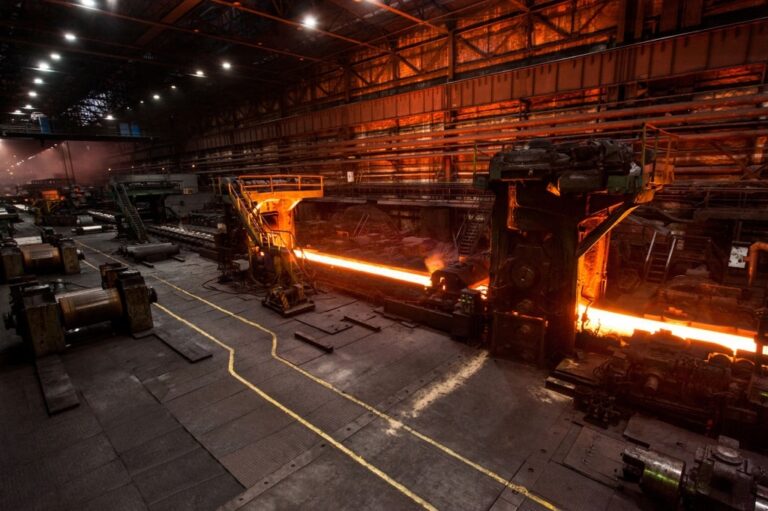
A finished steel bar does not come out of a steel plant in one step. It begins as a billet and then moves through heating, descaling, rolling, cooling, cutting, inspection, bundling, and dispatch. Every stage affects the next. That is why a rolling mill must be designed as a complete process, not as isolated machines.

Quick Answer:

In a rolling mill, a steel billet is heated, descaled, passed through roughing, intermediate, and finishing stands, shaped into the required bar size, cooled on a cooling bed, cut to length, inspected, bundled, and prepared for dispatch. Each stage controls the steel’s shape, surface quality, dimensional accuracy, and final usability.

For manufacturers, project consultants, and plant owners, this journey matters because it shows how steel quality is built step by step. The Steefo Group works in rolling mill and steel plant engineering with that full-process view in mind.

What Is a Billet in a Steel Plant?

A billet is a semi-finished steel product. It is usually square or rectangular in cross-section and is used to make long products such as bars, rods, flats, and structural sections.

In a rolling mill, the billet is the starting material. Its quality has a direct impact on the final bar. Chemical composition, surface condition, internal soundness, and dimensional consistency all matter. If the billet has defects, those issues can travel through the process and appear in the finished product.

That is why billet control is not a small detail. It is the foundation of the entire steel plant production flow.

Stage 1: Billet Inspection Before Rolling

The journey starts before heating. Every billet should be checked for size, grade, surface condition, and traceability. This first inspection helps confirm that the raw material is fit for rolling.

Typical checks include:

  • Billet size and cross-section
  • Grade verification
  • Surface cracks or folds
  • Bends or twists
  • Excess scale or contamination
  • Batch identification and traceability

This stage matters because a poor billet can create problems later in the line. No amount of precise rolling can fully compensate for a defective input. In a well-run rolling mill, billet acceptance is treated as a quality gate, not a formality.

For long-product manufacturers, this early control step helps reduce rejection, rework, and instability in production. It also supports consistency across batches, which is essential for every modern steel plant.

Stage 2: Reheating the Billet for Rolling

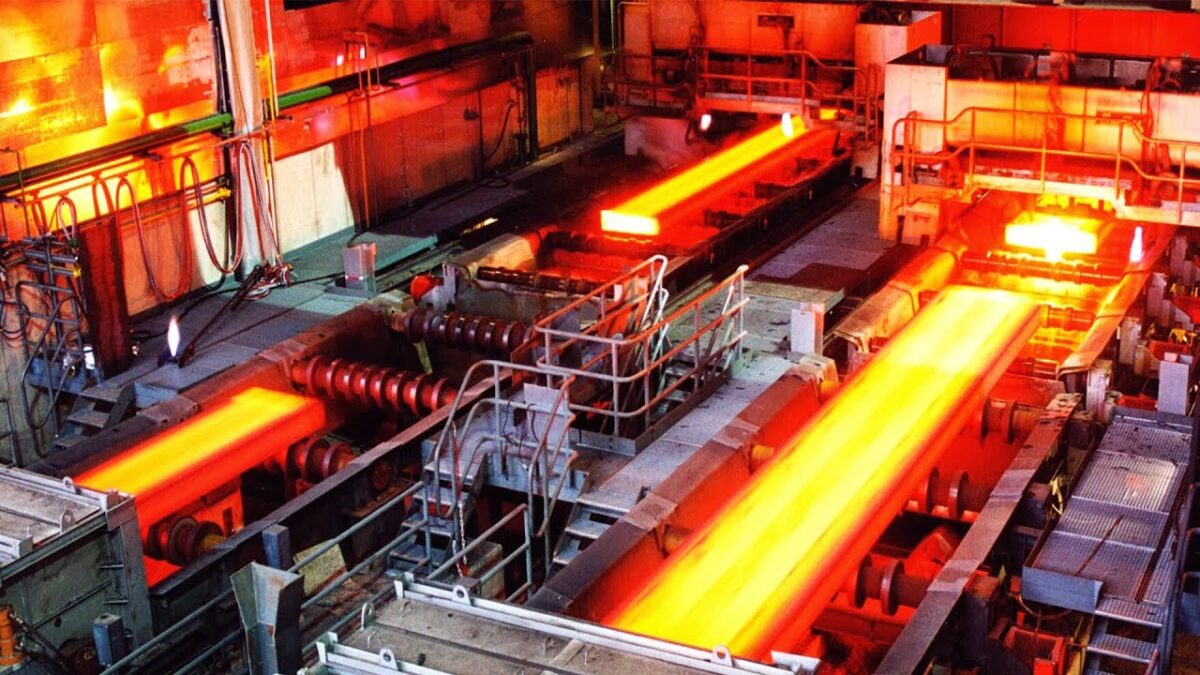
A billet must be heated before rolling so it becomes easier to deform. Steel that is cold is much harder to shape. When heated correctly, it becomes more plastic and can pass through the stands with less resistance.

The reheating furnace plays a major role here. It must deliver a uniform temperature across the billet. If the billet is heated unevenly, one section may roll differently from another. That can affect shape, surface quality, energy use, and mill productivity.

Good reheating supports:

  • Lower rolling force
  • Better deformation behaviour
  • Reduced risk of cracking
  • More stable mill operation
  • Improved output consistency

In practical terms, reheating is where the billet becomes ready for transformation. The better the temperature control, the smoother the rest of the rolling mill process will be.

Stage 3: Descaling Before the Billet Enters the Rolling Stands

During billet heating, an oxide layer develops on the steel surface due to exposure to high temperatures. Scale is a natural oxide layer, but it should not stay on the billet surface before rolling. If it does, it can be pressed into the steel and affect the finish quality.

That is why descaling is an important step. It removes the scale before the billet enters the stands. This may be done through water descaling or other scale-removal methods, depending on the line design.

Poor descaling can lead to:

  • Surface marks
  • Rolled-in scale
  • Rough finish
  • Higher reject risk
  • More cleaning issues later

This stage may look simple, but it has a strong effect on the final bar. In a well-designed rolling mill, descaling protects product quality before the main deformation begins.

Stage 4: Roughing Mill — The First Major Shape Change

The roughing mill is where the billet undergoes its first major transformation. Here, heavy-duty stands reduce the cross-section and increase the length. The steel begins moving away from billet form and toward bar form.

This stage handles major deformation. That means the equipment must be strong, aligned, and stable. Guides, drives, gearboxes, and roller systems all need to work together so the billet moves smoothly through the line.

The roughing mill is important because it:

  • Breaks down the billet quickly
  • Starts the elongation process
  • Prepares the stock for later passes
  • Reduces the cross-section in controlled steps

The first shape change is not the final one. It is the foundation for everything that follows in the rolling mill sequence.

Stage 5: Intermediate Rolling — Controlling Shape and Size

After roughing, the bar enters the intermediate stands. Here, the focus shifts from heavy reduction to control. The product continues to reduce in size, but now shape stability becomes more important.

This is where the bar gets closer to its target profile. The stands, guides, and pass design help maintain the correct movement and geometry. Speed coordination is also important because the bar must flow continuously without tension problems or misalignment.

Intermediate rolling helps with:

  • Further cross-section reduction
  • Better profile control
  • Smoother transfer between stands
  • Improved dimensional stability
  • Preparation for finishing passes

This stage is often the bridge between strength and precision. In a properly engineered rolling mill, the process is steady before the final sizing stage.

Stage 6: Finishing Mill — Achieving the Final Bar Profile

The finishing mill is where the steel gets its final shape and size. This stage is responsible for dimensional accuracy, surface quality, and consistency. The product now moves into its market-ready profile.

Depending on the product being made, the finishing mill can produce:

  • TMT bars
  • Round bars
  • Flats
  • Squares
  • Other long steel profiles

The finishing stands work with a precise roll pass design to deliver the required result. This is the stage where the bar becomes a finished product, not just a reduced section of steel.

The finishing mill must deliver:

  • Final size control
  • Consistent profile
  • Good surface finish
  • Stable line speed
  • Uniform output quality

This is one of the most important stages in the entire rolling mill process because it defines the product that buyers see and use.

Stage 7: Quenching or Controlled Cooling for TMT Bars

This stage is used when the product is a TMT bar. After the final finishing stand, the hot bar passes through a controlled cooling or quenching system. The outer surface cools quickly, while the inner core stays hotter for a little longer.

That difference creates the strength-flexibility balance needed in TMT reinforcement bars. The surface gains higher hardness, while the inner core retains better flexibility and toughness. This is why TMT bars are widely used in construction.

Controlled cooling helps achieve:

  • Strong outer surface
  • Ductile inner core
  • Better load performance
  • Improved bendability
  • Construction-grade reinforcement quality

Not every finished bar follows this exact path, but for TMT production, it is a key part of the rolling mill process.

Stage 8: Cooling Bed — Bringing the Bar to a Stable Temperature

After rolling or quenching, the bar is transferred to the cooling bed. Here, the product cools in a controlled way before later handling steps.

The cooling bed helps:

  • Stabilise the bar temperature
  • Reduce distortion
  • Support straightness
  • Maintain dimensional consistency
  • Prepare the bar for cutting and bundling

This stage should not be treated as a waiting area. It is part of quality control. If the cooling is uneven or uncontrolled, the bar may twist, bend, or lose uniformity.

A good rolling mill line uses the cooling bed as a stabilising stage, not just a storage stage.

Stage 9: Cutting the Finished Bar to Saleable Lengths

Once the bar has cooled enough, it must be cut to saleable lengths. This can be done with hot shears during rolling or cold shear systems after cooling, depending on the process setup.

Cutting matters because buyers need standard lengths that are easy to transport, store, and use in fabrication or construction. Clean cutting also helps remove uneven ends and improves product handling.

This stage ensures:

  • Correct saleable length
  • Better dimensional accuracy
  • Cleaner bundle formation
  • Reduced waste and irregular ends

In a serious rolling mill, cutting is part of product finalisation, not just a finishing touch.

Stage 10: Inspection, Bundling and Dispatch

The last stage is inspection and dispatch. Finished bars are checked for surface condition, straightness, dimensions, and grade identification. Then they are counted, bundled, weighed, tagged, and prepared for storage or shipment.

Typical final checks include:

  • Size and profile verification
  • Surface inspection
  • Straightness check
  • Bundle counting
  • Weighing and tagging
  • Dispatch readiness

This stage completes the steel journey. By the time the bar leaves the plant, it should already be verified for quality and traceability. That is what turns a processed bar into a reliable commercial product from a modern steel plant.

Key Rolling Mill Equipment Used in the Billet-to-Bar Journey

Equipment Process Role

Why It Matters

Reheating furnace Heats the billet Makes steel easier to roll
Descaling system Removes surface scale Improves surface finish
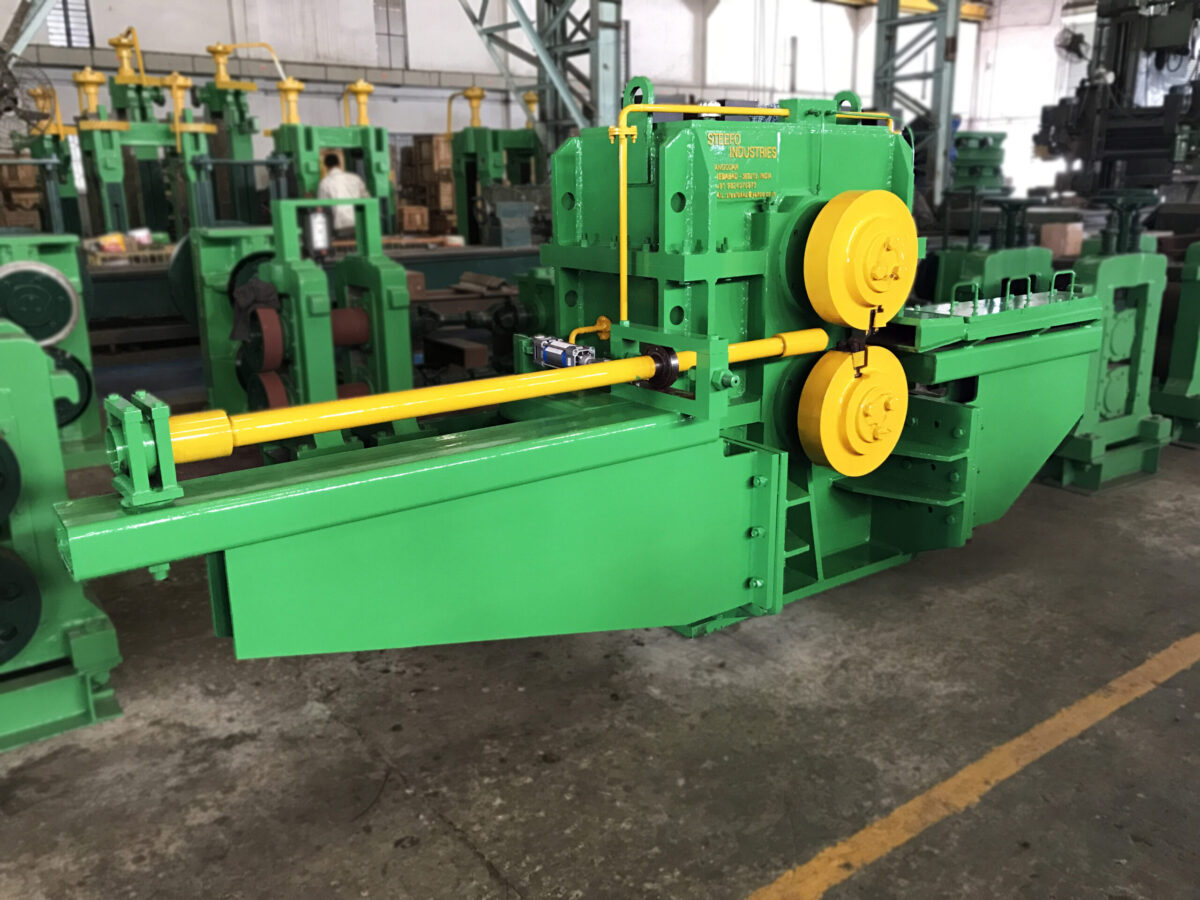
Roughing stands First major reduction Starts shape transformation
Intermediate stands Controls size and flow Improves profile accuracy
Finishing stands Final shaping Delivers final dimensions
Guides and rollers Direct material flow Maintain alignment
Pinch rollers Support movement Improve line control
Loopers Manage tension and speed Help smooth transfer
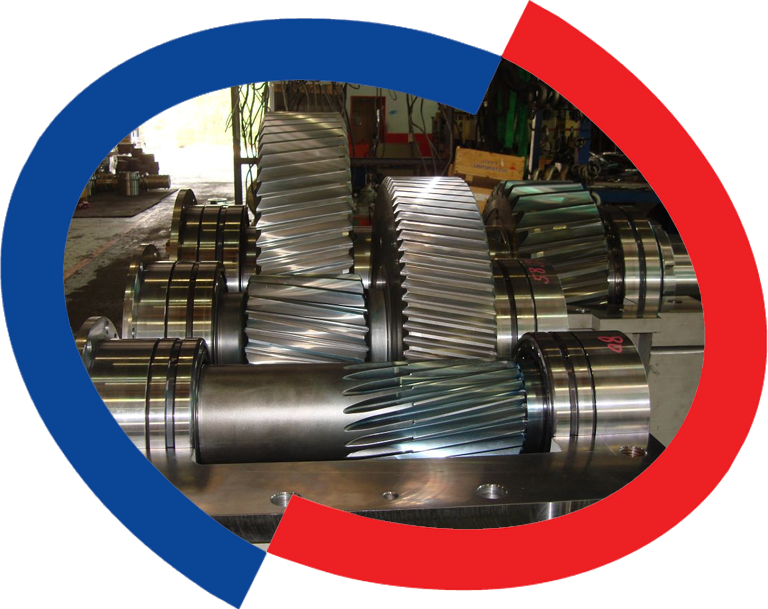
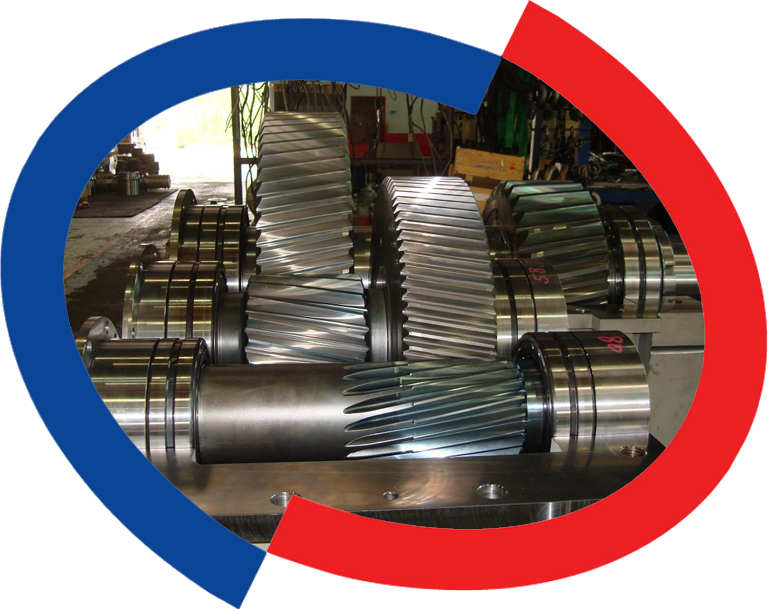
Gearboxes and drives Power the stands Support a stable rolling force
Shearing machines Cut bars to length Create a saleable product
Cooling bed Stabilises hot bars Helps straightness and quality
Bundling systems Count and pack bars Prepare for dispatch

This equipment works as one line, not as separate units. That is why a rolling mill must be planned as an integrated system inside the steel plant.

What Determines the Quality of the Finished Bar?

A finished bar is only as good as the process that created it. Quality is not controlled by one machine alone. It comes from many decisions working together.

The main factors include:

  • Billet quality
  • Reheating temperature control
  • Pass design
  • Roll alignment
  • Speed control
  • Tension control
  • Cooling method
  • Cutting accuracy
  • Maintenance discipline
  • Operator skill
  • Automation and monitoring

This is where experience matters. A quality rolling mill does not rely on guesswork. It relies on controlled process design, proper equipment matching, and disciplined operation.

Why Rolling Mill Design Matters in the Final Output

A rolling mill must be engineered as a connected production system. If the layout is weak, the line becomes slow or unstable. If the equipment is mismatched, the plant may face bottlenecks, maintenance issues, or uneven output.

A strong design improves:

  • Production flow
  • Output consistency
  • Maintenance access
  • Energy use
  • Operator efficiency
  • Plant reliability

That is why steel plant owners should think beyond individual equipment. The best results come from a line where the furnace, stands, drives, guides, shears, cooling bed, and automation all work together.

For The Steefo Group, this system-based approach is central to rolling mill and steel plant engineering.

Choosing the Right Rolling Mill in Ahmedabad

Ahmedabad is one of India’s important industrial and manufacturing hubs. For buyers searching for a rolling mill in Ahmedabad, the right choice should be based on more than machine supply.

A reliable partner should offer:

  • Complete process understanding
  • Customised or turnkey solutions
  • Long-product engineering capability
  • Support for TMT, bar, structural, and section projects
  • After-sales service and spare support
  • Flow design from billet to dispatch

The most important point is this: the right partner should understand the entire steel journey, not just one machine. When that happens, the rolling mill becomes a production advantage, not just a capital purchase.

Conclusion

The journey from billet to finished bar is a connected process. Every stage matters. Billet quality, heating, descaling, roughing, intermediate rolling, finishing, cooling, cutting, inspection, and bundling all shape the final result.

When the rolling mill is designed and operated properly, the output becomes more consistent, more usable, and more reliable. That is what steel buyers, plant owners, and project decision-makers need from a modern steel plant.

Frequently Asked Questions (FAQs)

1. What is the journey of steel in a rolling mill?

Steel begins as a billet and moves through inspection, heating, descaling, roughing, intermediate rolling, finishing, cooling, cutting, inspection, bundling, and dispatch.

2. What is the first step in the rolling mill process?

The first step is billet inspection and acceptance before heating.

3. Why is a billet heated before rolling?

A billet is heated so it becomes more plastic and easier to deform during rolling.

4. What is the role of roughing, intermediate, and finishing stands?

Roughing starts the main reduction, intermediate improves shape control, and finishing gives the bar its final profile and accuracy.

5. What equipment is used in a rolling mill?

A rolling mill uses a reheating furnace, descaling system, rolling stands, guides, drives, shears, cooling bed, and bundling equipment.

6. What affects the quality of finished steel bars?

Billet quality, temperature control, pass design, alignment, speed, cooling, cutting, maintenance, and operator skill all affect the final bar.

7. How do I choose a rolling mill manufacturer in Ahmedabad?

Choose a manufacturer with complete process knowledge, customised engineering capability, support services, and experience in long-product steel plant projects.

Build a Rolling Mill That Delivers Consistent Steel Output

Looking to build or upgrade a rolling mill for reliable and efficient steel bar production? The Steefo Group delivers engineering-driven rolling mill and steel plant solutions designed to support productivity, operational stability, and long-term performance.

From billet handling and reheating to rolling, cooling, cutting, and dispatch, every system is developed to work as one connected process line. With experience across TMT bar mills, section mills, and long-product applications.

The Steefo Group focuses on helping manufacturers improve output quality, reduce downtime, and achieve smoother plant operations. Partner with a team that understands complete rolling mill flow, not just individual machinery. Contact us today.

Categories
Blogs Rolling Mill

Hot rolling mills do not give motors an easy life. They run under heavy load, repeated speed changes, vibration, scale, heat, and continuous production pressure. In that environment, choosing DC motors is not only a question of motor size or horsepower. It is a process decision that affects rolling speed, torque stability, product quality, downtime, and long-term operating cost. In heavy industrial settings, the load’s speed and torque requirements must drive the motor choice, not the other way around.

A Quick Look:

The right DC motors for hot rolling mill applications should be selected based on torque requirement, rolling speed range, load fluctuations, duty cycle, overload capacity, drive compatibility, cooling arrangement, and maintenance needs. A correctly selected motor helps maintain stable rolling performance, reduce breakdowns, and improve production consistency.

Why DC Motors Are Used in Hot Rolling Mill Applications

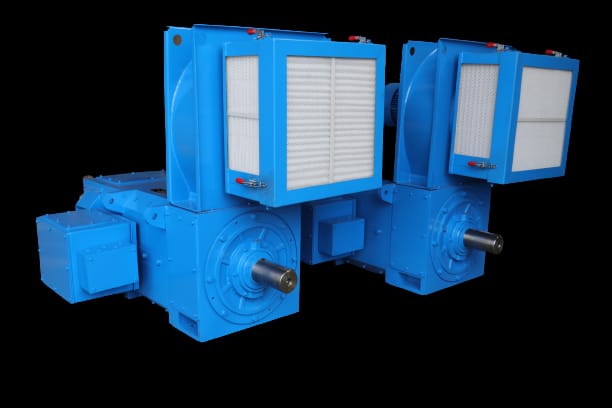
DC motors remain relevant in hot rolling mills because they are well-suited to applications that need high starting torque, fast response, and precise speed control. A key benefit of industrial DC motors is their ability to separately regulate armature and field currents, allowing better control over torque performance and speed response under varying load conditions. This supports strong torque performance, including torque at low speeds and rapid response to changing load conditions, making these motors suitable for heavy-duty steel plant operations.

In a rolling mill, the drive system must handle roughing stands, finishing stands, conveyors, shears, and other auxiliaries without losing control when the load changes suddenly. Torque and power are two of the most important factors in the rolling process. In a hot rolling mill, motor power is used for steel deformation, overcoming friction, handling transmission losses, and maintaining stable rolling operations. That is why motor selection should be treated as a critical engineering decision rather than a routine equipment purchase.

Start with the Rolling Mill Application, Not Just the Motor Rating

Motor selection should begin with the actual rolling process. A rolling mill for TMT bars has different requirements from a structural mill, wire rod mill, or section mill. The motor may be used on a roughing stand, intermediate stand, finishing stand, pinch roller, conveyor, or shear, and each position has a different duty profile. The material being rolled, rolling temperature, target output, and line speed all influence the motor choice.

That is why a motor rated highly on paper may still fail in the plant if it is not matched to the actual process. A hot rolling line is not a single machine; it is a system of stands, transfer equipment, and auxiliary units working together.

A rolling mill consists of interconnected roll stands and supporting equipment that handle rolling, material transfer, turning, shearing, transporting, cooling, cutting, and packing operations. The motor must be selected to support the performance requirements of this complete system.

Evaluate the Torque Requirement of the Rolling Mill

Torque is one of the most important selection factors for DC motors in a hot rolling mill. Proper motor sizing starts with torque, load inertia, and speed. A motor must deliver enough starting torque to move the load, enough running torque to sustain rolling, and enough peak torque to handle billet entry and sudden load changes without overheating or stalling.

Here is a simple way to think about it. If the motor can handle the average load but not the peak load, the mill may slow down during biting or strain during heavy passes. If the motor is oversized without an engineering need, the project may incur unnecessary cost and higher energy consumption. In rolling operations, underestimating torque can lead to speed drops, motor stress, and production interruptions, while overestimating can hurt efficiency and capital cost.

Torque Checklist for Rolling Mill DC Motor Selection

  • Starting torque
  • Continuous running torque
  • Peak torque
  • Torque during billet entry
  • Torque during rolling passes
  • Torque reserve for shock loads
  • Torque behaviour under sudden load changes

Check the Required Speed Range and Speed Control Accuracy

A hot rolling mill needs stable speed control, especially when multiple stands are working together. DC drives are widely valued in hot rolling mill applications because they offer fast response, precise torque control, and stable low-speed performance. In continuous rolling operations, accurate stand speed control is essential for maintaining tension-free rolling and consistent product quality.

Speed fluctuation can affect bar quality, cause tension between stands, and disturb process consistency. This is especially important where loopers are used to maintain tension-free rolling between stands. In practice, the selected DC motors should support smooth acceleration, controlled deceleration, and stable speed under changing load conditions.

How does DC motor speed control affect rolling mill performance?

It helps maintain stable rolling speed, reduce sudden speed drops, improve process control, and support consistent output quality in hot rolling mill operations.

Match the DC Motor with the Rolling Mill Load Profile

A rolling mill rarely behaves like a constant-load machine. Some sections run under heavy starting load, some under variable load, and some under intermittent conditions. The motor must be selected for the real load profile, not just the nameplate power. The torque-speed characteristic must match the type of load the motor will drive.

This is where many selection mistakes happen. A roughing stand may demand very different behaviour from a finishing stand or a shear. Load changes between passes can also create torque spikes. If those changes are not considered, the motor may overheat or fail to hold speed.

Why is the load profile important in DC motor selection?

It shows how the motor will perform during starting, running, overload, and sudden load changes. In hot rolling mills, an incorrect load assessment can cause overheating, poor speed control, and frequent breakdowns.

Consider Duty Cycle and Continuous Operation Requirements

Many industrial DC motors in rolling mills operate for long periods and may face repeated start-stop cycles. Most motors used in industrial applications are rated for continuous-duty operation, and their temperature and time ratings become critical at full load. In a hot rolling mill, that thermal reality matters because heat buildup can become a reliability problem if the motor is not properly sized and cooled.

The duty cycle should be checked against the plant’s actual production schedule. If the line runs continuously with frequent load spikes, the motor must support heavy-duty operation without losing thermal stability. If it only runs in short bursts, the selection logic changes. Continuous-duty and periodic load duty cycles require different drive sizing and motor selection approaches because the thermal and load demands vary significantly between operating conditions.

What duty cycle is suitable for DC motors in hot rolling mills?

DC motors used in hot rolling mills usually need to support heavy-duty or continuous-duty operation, depending on the production schedule, rolling load, start-stop frequency, and thermal conditions of the plant.

Check Power Rating, Voltage and Drive Compatibility

A motor should never be selected in isolation from its drive system. The motor and drive system should be selected based on the required speed range, torque demand, and operating conditions of the load. In a hot rolling mill, the selected DC motors must work efficiently with the plant’s drive system, control panel, voltage level, and automation setup to ensure stable and reliable performance.

For hot rolling mills, this means checking the motor power rating, rated voltage, armature and field requirements, drive compatibility, power supply stability, and room for future capacity expansion. A mismatch between motor and drive can reduce torque delivery, weaken speed control, or create reliability and safety issues.

Power and Drive Compatibility Table

What to check

Why it matters

Practical question

Power rating Confirms the motor can carry the load Can the motor handle the full rolling load?
Voltage Prevents electrical mismatch Does the motor match the plant supply and drive output?
Drive compatibility Ensures stable speed/torque control Will the drive and motor work as a matched pair?
Control integration Supports smooth operation Can the motor be monitored and controlled reliably?
Expansion room Helps future-proof the line Will the motor still suit higher production later?

Review Cooling, Ventilation and Rolling Mill Environment

Hot rolling mills are harsh environments. Heat, dust, moisture, scale, and vibration can all affect motor life. That is why motor selection must consider not only electrical ratings but also the physical conditions around the machine. Hot rolling mills operate under high ambient temperatures, continuous production pressure, scale, dust, moisture, and vibration. These conditions can significantly affect motor life and performance if the motor is not properly selected for the operating environment.

In a hot rolling environment, the cooling method and enclosure type become important. If ventilation is poor or contamination is high, the motor may age faster than expected. Selecting DC motors with the right protection and cooling arrangement helps maintain performance under steel plant conditions.

Consider Maintenance Access and Long-Term Serviceability

Even a technically correct motor can become expensive if it is difficult to maintain. In rolling mills, brushes, commutators, bearings, and windings should be easy to inspect and service. That matters because maintenance access affects uptime, planned shutdown efficiency, and the cost of ownership.

In rolling mills, brushes, commutators, bearings, and windings should be easy to inspect and service. That matters because maintenance access directly affects uptime, planned shutdown efficiency, and the overall cost of ownership. Long-term serviceability should therefore be considered an important part of the motor selection process.

For DC motors, maintenance planning should include brush inspection, commutator condition, bearing health, winding protection, and spare part availability. If service support is weak, a small fault can turn into a long production interruption. That is why good selection is not just about performance today; it is about support over the life of the plant.

What maintenance factors matter when selecting DC motors for rolling mills?

Important maintenance factors include brush and commutator access, bearing condition, cooling system inspection, winding protection, spare availability, and ease of servicing during planned shutdowns.

Avoid Selecting DC Motors Based Only on Price

A low initial price can be misleading. In a hot rolling mill, an undersized or poorly matched motor may lead to higher breakdown risk, more maintenance, energy loss, and production downtime. In hot rolling mills, focusing only on the initial purchase price can lead to higher long-term operating costs. Poorly matched or low-quality industrial DC motors may increase the risk of breakdowns, energy losses, frequent maintenance, and production downtime over time.

The better question is not “What is the cheapest motor?” It is “What motor will deliver the required torque, speed stability, reliability, and service life at the lowest total cost over time?” In rolling mills, that mindset protects both production and profitability.

Questions to Ask Before Finalising DC Motors for a Rolling Mill

Before finalizing the motor selection, it is important to evaluate the following technical and operational questions:

  • What is the required starting torque?
  • What is the continuous operating torque?
  • What is the expected speed range?
  • Will the motor handle frequent load fluctuations?
  • What is the duty cycle?
  • What overload capacity is required?
  • What cooling method is suitable?
  • Is the motor compatible with the existing drive system?
  • What are the environmental conditions around the motor?
  • How easy is the motor to maintain?
  • Are spares and service support available?
  • Will the motor support future capacity expansion?

Why Work with an Experienced Rolling Mill Manufacturer for DC Motor Selection

For hot rolling mills, DC motors should be selected as part of the complete mill design, not as a standalone purchase. The motor must match mill stands, gearboxes, shears, conveyors, automation, and the line’s speed and torque profile. A manufacturer with rolling mill experience can align the drive system with the actual process instead of relying on generic industrial assumptions.

That is especially important because rolling mills depend on coordinated equipment. In a hot rolling mill, the rolls are driven through an electrical drive system that includes the motor, gearbox, spindle, and couplings. The quality of the finished product depends on controlled reduction across multiple rolling passes and proper coordination between these components. Good engineering at the selection stage reduces downtime and improves reliability over the life of the plant.

Conclusion

The right DC motors for hot rolling mill applications are the ones that match the mill’s torque, speed, load profile, duty cycle, cooling, and control requirements. When selection is done properly, the result is better rolling stability, fewer breakdowns, improved product consistency, and stronger long-term operating performance. In a rolling mill, the motor is not just a component. It is one of the main drivers of output quality and plant efficiency.

Frequently Asked Questions (FAQs)

1. What type of DC motor is suitable for hot rolling mills?

DC motors used in hot rolling mills should provide high starting torque, stable speed control, overload capacity, and reliable performance under heavy-duty operating conditions. The right motor type depends on the rolling mill layout, production load, and process requirements.

2. Why is torque important in rolling mill DC motor selection?

Torque matters because rolling mills face heavy mechanical load during biting, deformation, and speed changes. If torque is insufficient, the motor may overheat, slow down, or fail under load.

3. How do speed fluctuations affect hot rolling mill output?

Speed fluctuations can disturb tension-free rolling, reduce process consistency, and affect bar quality. Stable speed control helps the mill maintain controlled production across multiple stands.

4. What should be checked before buying DC motors for rolling mills?

Check torque, speed range, duty cycle, voltage, drive compatibility, cooling, environmental protection, maintenance access, and spare support before finalising the motor.

5. Can a standard industrial DC motor be used in a hot rolling mill?

Not always. A standard motor may not have the torque reserve, thermal capacity, or serviceability needed for a hot rolling mill. The application must be matched carefully.

Select DC Motors That Keep Your Rolling Mill Running Strong

Need help selecting the right DC motors for your hot rolling mill? The Steefo Group offers engineering-driven rolling mill solutions designed for performance, reliability, and long-term productivity. If you are upgrading an existing line or planning a new one, the right motor choice can protect output quality, reduce downtime, and support smoother operations across the plant.

The best results come from matching the motor to the actual load, speed, cooling, and maintenance needs of the mill, not just the nameplate rating. With the right technical partner, motor selection becomes a strategic advantage rather than a sourcing challenge.

Talk to The Steefo Group at +91 87589 98607 or email us at marketing@thesteefogroup.com to select DC motors that match your rolling mill’s real production, performance, and reliability requirements.

Categories
Blogs Rolling Mill

Choosing machinery is only one part of setting up or expanding a steel plant. The bigger decision is often the project delivery model.

Who will control engineering? Who will coordinate vendors? Who will take responsibility if civil work, electrical systems, automation, or commissioning do not align? These questions directly affect cost certainty, execution speed, risk, and long-term plant performance.

For buyers investing in rolling mills, the choice between EPC, EPCM, and turnkey solutions can decide whether the project moves smoothly from planning to production or gets delayed by unclear responsibilities.

A steel rolling mill project involves plant layout, equipment design, procurement, civil coordination, electrical systems, automation, erection, trial runs, commissioning, operator training, and after-sales support. That is why the delivery model should be evaluated before comparing only equipment prices.

Why the Project Delivery Model Matters in Steel Rolling Mills

A rolling mill is not a collection of separate machines. It is an integrated production system where reheating furnaces, mill stands, gearboxes, shears, cooling beds, conveyors, drives, automation, and utilities must work together.

If the execution model is weak, problems often appear during installation or trial production. For example, a buyer may purchase quality mill equipment but still face delays if:

  • Civil foundations are not ready for machinery installation
  • Electrical panels are not aligned with motor and drive requirements
  • Automation is not integrated with the actual production flow
  • Cooling bed capacity does not match mill output
  • Vendor responsibilities are not clearly defined
  • Commissioning support is limited or delayed

This is why project delivery is a strategic decision, not just a contractual formality. The right model depends on project size, technical capability, internal team strength, budget flexibility, and timeline pressure.

For a first-time TMT bar mill buyer, more control may sound attractive. But if the owner does not have an experienced project team, that control can quickly become a coordination burden.

What Is an EPC Model in Steel Rolling Mill Projects?

EPC stands for Engineering, Procurement, and Construction. In an EPC model, the contractor is generally responsible for engineering, procuring materials or equipment, and executing construction-related work. EPC contracts are commonly used in large infrastructure and industrial projects where the owner wants stronger delivery responsibility from one contractor.

For rolling mills, EPC may include:

  • Basic and detailed engineering
  • Equipment selection and procurement
  • Vendor coordination
  • Construction planning
  • Mechanical and electrical integration
  • Installation supervision
  • Testing and commissioning support
  • Performance responsibility, depending on contract terms

When EPC Works Well

EPC is suitable when the buyer wants one accountable contractor, and the project scope is clearly defined. It works best when plant capacity, product sizes, technical specifications, layout requirements, and completion expectations are already fixed.

EPC can give better cost and schedule clarity because the contractor carries more delivery responsibility. However, that clarity depends on how well the scope is prepared before signing.

Limitations of EPC

EPC offers less flexibility after contract finalisation. If the buyer changes capacity, product mix, automation level, layout, or utility expectations later, the cost and timeline may increase.

A weak scope document can also create disputes. For example, if commissioning performance, spare parts, foundation readiness, or automation integration is not clearly mentioned, both parties may interpret responsibility differently.

EPC Factor

What It Means for Buyers

Best for Defined projects with a clear scope
Owner control Moderate
Contractor responsibility High
Cost certainty Usually stronger
Flexibility Lower after contract finalisation
Main caution The scope must be very clear before signing

What Is an EPCM Model in Steel Rolling Mill Projects?

EPCM stands for Engineering, Procurement, and Construction Management. Unlike EPC, the EPCM contractor usually provides design, procurement support, and construction management services, while the owner holds direct contracts with suppliers and contractors. EPCM is often treated as a professional services model rather than a full delivery contract.

In a steel plant project, EPCM may include:

  • Engineering and technical design
  • Procurement assistance
  • Vendor evaluation
  • Construction management
  • Schedule monitoring
  • Quality supervision
  • Cost control support
  • Coordination between contractors

When EPCM Works Well

EPCM works well when the owner has a strong internal technical team. It gives the buyer more control over vendor selection, procurement decisions, contractor appointments, and changes during execution.

This model may suit an experienced steel manufacturer expanding an existing plant, especially if the owner already has civil contractors, electrical consultants, and site engineers.

Limitations of EPCM

The biggest limitation is risk. Since the owner often holds direct contracts with different vendors, more coordination responsibility remains with the buyer.

If civil work is delayed, automation does not integrate smoothly, or utilities are not ready, responsibility may be harder to assign. EPCM can be flexible, but it demands strong owner-side project management.

What Are Turnkey Solutions for Steel Rolling Mills?

Turnkey solutions refer to a project delivery model where one provider delivers a ready-to-operate plant or production line. In steel rolling mill projects, this can include planning, engineering, equipment manufacturing, supply, erection, commissioning, training, and post-installation support.

The Steefo Group positions its turnkey solutions around concept-to-commissioning expertise for rolling mills and integrated steel plant projects, including equipment supply, erection, commissioning, and achieving desired production capacity.

For rolling mills, turnkey solutions may include:

  • Feasibility and project consultation
  • Plant layout planning
  • Rolling mill design
  • Equipment manufacturing
  • Reheating furnace coordination
  • Reheating furnace coordination
  • Mill stands, shears, cooling beds, conveyors, gearboxes, and drives
  • Electrical and automation systems
  • Installation and erection
  • Trial runs and commissioning
  • Operator training
  • Spares and after-sales support

When Turnkey Solutions Make the Most Sense

Turnkey solutions are often ideal when the buyer wants one partner from planning to commissioning. This is especially useful for greenfield projects, first-time rolling mill investors, major expansions, or projects where internal technical bandwidth is limited.

They also help reduce vendor coordination. Instead of managing multiple suppliers separately, the buyer works with a partner responsible for integrated execution.

Limitations of Turnkey Solutions

The main limitation is scope clarity. Buyers must confirm what is included and excluded. A low-cost proposal may not include erection, utilities, automation, operator training, spare parts, or performance support.

Before choosing turnkey solutions, buyers should review the responsibility matrix, acceptance criteria, commissioning terms, and after-sales support.

EPC vs EPCM vs Turnkey Solutions: Quick Comparison

Comparison Point

EPC EPCM

Turnkey Solutions

Full form Engineering, Procurement, Construction Engineering, Procurement, Construction Management Complete ready-to-operate project delivery
Main responsibility Contractor delivers the project Contractor manages; owner carries more responsibility Provider delivers an operational plant
Owner involvement Medium High Low to medium
Cost certainty Usually high Lower to medium High if the scope is clear
Flexibility Limited Higher Moderate
Risk allocation More contractor-side More owner-side More provider-side
Best for Defined large projects Owners with strong technical teams Buyers wanting single-window execution
Rolling mill fit Good for structured projects Good for technically mature owners Strong for greenfield or integrated mill projects

Key Difference 1: Who Owns the Risk?

Risk allocation is the most important difference between EPC, EPCM, and turnkey solutions.

In EPC, more delivery risk usually shifts to the contractor. In EPCM, the owner takes more risk because the contractor mainly manages engineering, procurement, and construction coordination. In turnkey solutions, the supplier or project partner carries greater responsibility for integrated delivery.

Before signing, buyers should clarify:

  • Who is responsible for the equipment-performance mismatch?
  • Who handles civil-mechanical interface errors?
  • Who owns delays due to late utility readiness?
  • Who manages automation integration issues?
  • Who pays for rework during trial production?
  • What happens if the plant does not reach the agreed output?

In rolling mills, the most expensive gaps are often not in the equipment list. They are in the interfaces between equipment, civil work, electrical systems, automation, and commissioning.

Key Difference 2: How Much Control Does the Buyer Want?

Some buyers want full control. Others want fewer responsibilities and stronger accountability. Neither approach is automatically better.

Choose more control if:

  • You have an experienced in-house project team
  • You already work with trusted contractors
  • You want direct vendor approval
  • You can manage technical coordination
  • You want procurement transparency

Choose more accountability if:

  • You want fewer vendor interfaces
  • You do not want to coordinate multiple contractors
  • You need faster commissioning
  • You want one party responsible for execution
  • You are setting up your first steel plant or rolling mill line

For first-time buyers, control can become a burden if they do not have the engineering, procurement, and site coordination experience to manage daily decisions.

Key Difference 3: How Pricing and Change Orders Work

EPC and turnkey solutions often provide stronger price visibility when the scope is clearly defined. EPCM may appear more flexible, but it can expose the owner to more variations during execution.

Changes in plant capacity, layout, automation, foundation readiness, utility supply, and product mix can affect project cost. That is why buyers should not compare only the headline price.

Consider this simple case.

A buyer selects EPCM to save 5% on the initial project cost. However, weak coordination delays commissioning by 60 days. If the mill is expected to produce 200 tonnes per day and the contribution margin is ₹1,500 per tonne:

Item Calculation

Value

Daily contribution potential 200 × ₹1,500 ₹3,00,000
60-day delay impact ₹3,00,000 × 60 ₹1,80,00,000

The cheapest model is not always the most economical. In rolling mills, delayed production, rework, idle manpower, and missed market demand can cost more than the initial savings.

Which Model Is Best for Different Rolling Mill Project Scenarios?

Project Scenario Best-Fit Model Why
First-time TMT bar mill setup Turnkey solutions Reduces coordination burden and gives integrated execution
Experienced steel plant expanding capacity EPCM or turnkey EPCM works if the internal team is strong; turnkey helps reduce shutdown risk
Large greenfield rolling mill project EPC or turnkey Better accountability and structured delivery
Brownfield modernization EPCM or turnkey Depends on existing systems and integration complexity
Fixed launch deadline EPC or turnkey Better schedule accountability
The owner wants direct vendor control EPCM More procurement visibility
The owner lacks a technical project team Turnkey solutions Single-window execution is usually safer

What Buyers Should Check Before Choosing EPC, EPCM, or Turnkey Solutions

Before choosing the model, buyers should ask clear technical, commercial, and execution questions.

Technical Questions

  • Is the plant capacity clearly defined?
  • Are product sizes and grades finalised?
  • Is the layout designed for smooth material flow?
  • Are utilities included in the project scope?
  • Is automation included?
  • Who is responsible for commissioning performance?

Commercial Questions

  • Is the price fixed or adjustable?
  • What is excluded from the quoted scope?
  • How are change orders handled?
  • What are the payment milestones?
  • Are performance guarantees included?
  • What warranty and after-sales terms apply?

Execution Questions

  • Who coordinates civil, mechanical, and electrical work?
  • Who approves drawings?
  • Who manages third-party vendors?
  • What is the commissioning timeline?
  • What documentation is handed over?
  • Is operator training included?

These questions help buyers compare models on real project value, not just proposal price.

Red Flags Buyers Should Watch For

A project proposal may look attractive on paper, but weak scope clarity can create expensive problems later.

Watch for these red flags:

  • Vague scope of supply
  • No clear responsibility matrix
  • No commissioning acceptance criteria
  • Missing utility requirements
  • Unrealistic delivery timelines
  • No mention of automation integration
  • Price that excludes erection or commissioning
  • Weak after-sales support
  • No documented performance guarantees
  • No clarity on spares and consumables

For rolling mills, buyers should be especially careful when a proposal lists major equipment but does not explain how the full line will be integrated, tested, commissioned, and supported after start-up.

How to Decide: EPC, EPCM, or Turnkey Solutions?

Use EPC when the scope is defined, the output requirements are clear, and you want stronger contractor accountability. EPC is suitable when the buyer needs cost and schedule certainty with limited changes after contract finalisation.

Use EPCM when you have a capable internal team and want more control over procurement, vendors, and execution decisions. EPCM can work well for experienced plant owners who can manage multiple contracts.

Use turnkey solutions when you want one partner for the complete project lifecycle. This model is often better when the buyer wants concept-to-commissioning support, fewer coordination risks, integrated machinery, installation, commissioning, and after-sales support.

Frequently Asked Questions (FAQs)

1. How do EPC and EPCM differ from each other?

EPC gives the contractor more responsibility for project delivery, while EPCM gives the contractor a management role and leaves more control and risk with the owner.

2. Are EPC and turnkey solutions the same?

They are closely related but not always the same. EPC places the responsibility for project engineering, material sourcing, and construction execution under one delivery model. Turnkey solutions focus on delivering a ready-to-operate project.

3. Which model is better for a first-time rolling mill buyer?

Turnkey solutions are often better for first-time buyers because they reduce vendor coordination and provide integrated support from planning to commissioning.

4. When should a steel plant owner choose EPCM?

A steel plant owner may choose EPCM when they have a strong internal project team and want more control over procurement, contractors, and technical decisions.

5. What should be included in turnkey solutions for rolling mills?

Turnkey solutions for rolling mills may include project consultation, layout planning, equipment manufacturing, electrical systems, automation, erection, commissioning, operator training, and after-sales support.

Build Your Rolling Mill Project with the Right Partner

Every steel rolling mill project has different goals, capacities, site conditions, and production requirements. That is why The Steefo Group offers both complete turnkey solutions and customized rolling mill solutions designed around your business needs. From project planning and equipment manufacturing to erection, commissioning, automation, and after-sales support.

Steefo helps you move from concept to production with confidence. Whether you are setting up a new steel plant, expanding an existing facility, or upgrading critical equipment, our team can support you with practical engineering expertise and reliable execution.

Connect with The Steefo Group to discuss your project requirements today.

Categories
Blogs Rolling Mill

Steel producers are under pressure to deliver tighter tolerances, reliable mechanical properties, faster deliveries, and better traceability while still controlling energy use, yield losses, and downtime.

That is why automation has become a strategic layer in the modern TMT bar rolling mill. Production is judged by how consistently the mill can heat, roll, quench, cool, cut, and handle material with minimum variation. Leading suppliers now describe long-product automation in terms of quality, efficiency, reliability, monitoring, and data-driven decision-making.

For plant owners and technical heads, the key question is: where automation creates the most value in a TMT bar rolling mill, which features matter most, and how to choose an approach that improves plant performance.

What Does Automation Mean in a Modern TMT Bar Rolling Mill?

A Simple Definition

In practical terms, automation in a TMT bar rolling mill means using PLCs, drives, sensors, HMIs, SCADA systems, alarms, and process logic to control production more accurately and with less manual intervention. Leading global rolling mill automation providers describe modern rolling automation as an integrated control environment designed to improve productivity, quality, availability, and operator decision-making.

Automation Is Not Just One Machine

A common mistake is to think automation is a single panel added near the stands. In reality, a modern TMT bar rolling mill uses automation as a connected system across the line. Reheating furnace control affects billet temperature. Stand speed synchronisation affects rolling stability. Quenching control affects thermal treatment. Cooling bed handling affects bar flow and finishing consistency. This connected, plant-wide approach is consistent with how major suppliers describe common automation platforms, Level 2 systems, and closed-loop steel production control.

Key Building Blocks of a Rolling Mill Automation System

Most advanced rolling mills rely on a combination of:

  • PLCs and control logic for repeatable process execution
  • Drives and speed synchronisation for stable rolling conditions
  • Sensors and temperature monitoring for real-time feedback
  • HMI and SCADA dashboards for operator visibility
  • Alarms, interlocks, and safety systems for quicker response
  • Production data capture for KPI tracking and improvement

This structure aligns with how major long-product technology providers describe modern automation architectures for bar and rebar production.

Why Automation Has Become Essential in Modern TMT Bar Rolling Mill Setups

Demand for Higher Output Without Losing Quality

The market expects more throughput from every TMT bar rolling mill, but higher speed is useful only when product quality holds. Suppliers repeatedly position automation as the layer that helps mills raise productivity while maintaining quality, tolerance, and reliability. In TMT production, higher output means little if rolling instability, temperature variation, or inconsistent quenching creates off-spec bars.

Manual Dependency Creates Avoidable Variability

In a manual-heavy mill, good results often depend on a few experienced operators. Response time is slower, parameter changes may not be consistent from shift to shift, and troubleshooting becomes harder because process visibility is limited. Modern automation platforms are designed to improve visibility, stabilise control, and support faster operator response, which is exactly why manual dependency has become a competitive disadvantage in a high-speed TMT bar rolling mill.

Buyers Now Expect Process Reliability, Not Just Machine Supply

A TMT bar rolling mill is no longer evaluated only on installed equipment. It is evaluated on how reliably it can deliver repeatable output over time. That is why major suppliers now bundle electrics, automation, digital monitoring, and support with the rolling solution itself.

Where Automation Adds Value Across the TMT Bar Rolling Mill Line

1. Reheating Furnace Control

If billets enter the mill at inconsistent temperatures, the rest of the line must compensate. Automation improves furnace temperature regulation, heating consistency, and temperature homogeneity, which supports more stable downstream rolling and helps reduce losses tied to cold spots, overheating, and unstable rolling force.

2. Mill Stand Synchronisation and Rolling Control

This is one of the most important areas in any TMT bar rolling mill. Speed coordination between stands helps maintain stable bar movement and better tension control. Leading manufacturers emphasise precise process control, real-time monitoring, and performance optimisation in long-product mills because rolling stability directly affects productivity, dimensional consistency, and downtime.

3. Quenching System Control

In TMT production, quenching is central to final bar properties. Danieli’s rebar references describe the quenching system as installed after the fast-finishing block, where pressure water is used for in-line heat treatment to achieve the required material structure and mechanical properties. That is why automated control of water flow, pressure, timing, and bar movement matters inside a TMT bar rolling mill.

4. Cooling Bed and Material Handling Automation

After thermal treatment, controlled transfer and cooling are critical. Manufacturers show how modern bar lines integrate high-speed cooling bed entry and finishing-end systems to support productivity and stable bar handling. For mills upgrading finishing sections, automatic cooling beds help reduce handling errors, improve sequencing, and support smoother flow toward bundling and dispatch.

5. Shearing, Cutting, and Finishing Operations

Automated shearing and cut-length control improve repeatability and reduce the need for frequent manual correction. Accurate cut-length control also helps improve yield and overall production efficiency in bar mills. In a busy TMT bar rolling mill, this affects both productivity and commercial recovery.

6. Data Monitoring and Operator Dashboards

Real-time dashboards give operators and supervisors a live view of speed, temperatures, alarms, equipment status, and production trends. Advanced rolling mill analytics systems also support data acquisition, KPI monitoring, fault analysis, and visualisation, helping teams make faster decisions and maintain better process control.

The Biggest Benefits of Automation in the TMT Bar Rolling Mill Performance

1. More Consistent TMT Bar Quality

When a TMT bar rolling mill controls temperature, speed, quenching conditions, and cut lengths more precisely, the plant is better positioned to maintain dimensional accuracy and repeatable bar properties across batches. That consistency matters to both projects and TMT bar suppliers who depend on a reliable market reputation.

2. Higher Production Efficiency

Automation reduces delays between process steps, improves coordination across equipment, and supports faster correction when operating conditions change. That is why leading suppliers consistently connect long-product automation with higher productivity and operating efficiency.

3. Lower Unplanned Downtime

Monitoring, alarms, analytics, and better visibility help teams identify abnormalities earlier. Digital monitoring systems are closely associated with better predictability, continuous support, and stronger fault prevention in modern rolling operations. An automated TMT bar rolling mill gives teams more time to act before a small issue becomes a stoppage.

4. Better Yield and Less Process Loss

Yield losses often hide in unstable rolling, inaccurate cutting, cobbles, overprocessing, or off-spec output. Automation reduces many of these avoidable losses by improving control and repeatability. Digital rolling solutions are also closely associated with better quality, improved yield, and higher throughput in modern mill operations.

5. Improved Energy Efficiency

Energy waste increases when process conditions fluctuate, reheating is inconsistent, or rework rises. Better coordinated control helps the mill use equipment more effectively and avoid unnecessary instability. Digital optimisation in metals manufacturing is also widely associated with improved resource efficiency and lower process waste.

6. Safer Plant Operations

A modern TMT bar rolling mill still needs skilled people, but it should not depend on excessive manual intervention in hot, fast, or hazardous zones. Automation improves safety through interlocks, alarms, visibility, and controlled responses. Advanced sensing and monitoring systems are also increasingly linked to safer long-rolling operations.

Manual vs Automated TMT Bar Rolling Mill Operations: What Really Changes?

The real difference is how decisions are made, how fast the process responds, and how visible plant performance becomes.

Area Manual-heavy mill

Automated mill

Process control More reactive More stable and programmed
Quality consistency More shift-to-shift variation Better repeatability
Downtime response Slower diagnosis Faster alarms and visibility
Data visibility Limited or delayed Real-time dashboards and KPI tracking
Operator workload Higher manual dependency More supervisory control
Scalability Harder to expand smoothly Better suited to higher output and future upgrades

A simple example makes the economics clearer. If a 30-tonne-per-hour TMT bar rolling mill loses just 15 minutes of productive time per 8-hour shift because of avoidable adjustments or delayed troubleshooting, that is roughly 7.5 tonnes of missed hourly-equivalent output per shift. Over a month, the commercial impact can become much larger than the visible automation cost.

Which Automation Features Matter Most for TMT Bar Rolling Mill Manufacturers?

1. Real-Time Monitoring

Operators should be able to see line speed, furnace conditions, alarms, quenching parameters, and equipment status in one place. Visibility is the foundation of faster response.

2. Speed and Tension Control

This is essential for stable rolling and reduced process disturbance. Leading suppliers specifically highlight impact control, speed recovery behaviour, and mill process expertise because front-end disturbances and rolling instability can cascade quickly through the line.

3. Quenching and Cooling Control

For a TMT bar rolling mill, this is mission-critical. Controlled water flow, thermal treatment repeatability, and reliable transfer to automatic cooling beds directly affect finished bar performance and finishing stability.

4. Production Analytics and KPI Tracking

KPI tracking helps teams identify bottlenecks, recurring alarms, unstable sizes, or underperforming shifts. That is why Level 2 and data-oriented systems are becoming more common in advanced rolling mills.

5. Predictive Maintenance and Condition Monitoring

Predictive maintenance helps plants move from breakdown response toward earlier planning. It supports continuous monitoring, earlier issue detection, improved uptime, and stronger overall equipment performance.

Common Automation Challenges in Rolling Mills and How to Plan for Them

1. Integrating New Automation With Existing Machinery

Not every plant installs a completely new TMT bar rolling mill. Many modernisation projects happen in phases rather than all at once. Existing mills are often upgraded step by step by improving controls, drives, monitoring systems, or finishing sections based on current production needs and budget. That makes phased automation a practical and commercially sensible path for many manufacturers.

2. Training Operators and Maintenance Teams

Even the best system underperforms if teams do not trust it or use only a fraction of its capability. Commissioning, operator training, maintenance familiarisation, and after-sales support are therefore part of the automation decision.

3. Managing Data Without Creating Complexity

More data is not automatically better. The right TMT bar rolling mill automation setup should show operators what they need to act on, not flood them with unread information.

4. Cost Concerns and ROI Expectations

Upfront cost matters, but serious buyers should evaluate automation against output stability, yield recovery, lower stoppages, energy performance, labour effectiveness, and future scalability.

How to Choose the Right Automation Approach for a TMT Bar Rolling Mill

Start With Your Production Goals

Define what you want the mill to achieve: higher throughput, tighter consistency, more size flexibility, better traceability, lower energy intensity, or expansion readiness.

Evaluate Your Current Bottlenecks

Look closely at where losses occur:

  • Frequent minor stoppages
  • Inconsistent bar quality
  • Manual dependency at critical points
  • Poor visibility during running conditions
  • Energy inefficiency
  • Finishing or cooling delays

Think Beyond Equipment Supply

A strong TMT bar rolling mill partner should support commissioning, process tuning, training, service, troubleshooting, and future upgrades.

Choose a Partner That Understands Complete Rolling Mill Operations

A modern TMT bar rolling mill does not perform well when automation is treated as a separate layer from the rest of the plant. Control logic must work in step with mill mechanics, process metallurgy, thermal treatment, material flow, and finishing requirements. If these areas are not aligned, even advanced automation can struggle to deliver stable results.

That is why it is important to choose a partner that understands the full production chain, not just drives, panels, or software. In a TMT bar rolling mill, furnace temperature affects rolling behaviour, rolling stability affects quenching performance, and quenching consistency influences final bar properties. Cooling, shearing, and handling must also stay synchronised to avoid downstream disruption.

A supplier with complete rolling mill expertise can design automation around actual plant conditions, production goals, and product requirements. This leads to a more practical system with better coordination across the line, easier operator use, smoother commissioning, and stronger long-term performance.

Key Takeaway

Automation is no longer a premium add-on in the modern TMT bar rolling mill. It is a practical operating advantage that helps mills produce more consistent bars, improve yield, respond faster, reduce avoidable downtime, and make better decisions with real process visibility.

Real value lies in combining rolling mill know-how with the control, coordination, and long-term support that modern steel production now demands. If your team is evaluating a new TMT bar rolling mill or planning an automation upgrade, start with plant goals and process bottlenecks, not just equipment price.

Frequently Asked Questions

1. What is automation in a TMT bar rolling mill?

It is the use of control systems, sensors, drives, PLCs, HMIs, SCADA, and process logic to run the mill more accurately, consistently, and safely with less manual dependency.

2. Why is automation important in modern TMT bar production?

Because modern bar production demands consistency, speed, lower losses, better traceability, and faster decision-making. Automation helps the mill deliver all of these more reliably.

3. Which parts of a TMT bar rolling mill can be automated?

Key areas include reheating furnace control, stand synchronisation, quenching, automatic cooling beds, shearing, cut-length control, material handling, alarms, and production analytics.

4. Does automation improve TMT bar quality?

Yes. Better control over temperature, speed, timing, and thermal treatment improves process repeatability, which supports more consistent bar quality.

5. Can existing rolling mills be upgraded with automation?

Yes. Many plants modernise in stages by upgrading controls, drives, monitoring, or finishing sections instead of replacing the full line at once.

6. How does automation help reduce rolling mill downtime?

It improves visibility through alarms, condition monitoring, data analysis, and faster troubleshooting so teams can detect and address issues earlier.

Build a Smarter TMT Bar Rolling Mill with The Steefo Group

Automation delivers the greatest value when it is backed by deep rolling mill expertise. At The Steefo Group, we understand that a high-performing TMT bar rolling mill depends on more than individual machines or isolated control systems. It requires the right balance of process design, mill stability, thermal treatment, material handling, and dependable automation across the full production line.

Our team works closely with steel manufacturers to deliver practical, performance-focused solutions that improve consistency, reduce operating losses, support higher productivity, and prepare plants for long-term growth. Whether you are planning a new mill, modernising an existing setup, or evaluating automation upgrades, we help you take a complete and technically sound approach.

If your goal is to build a more reliable, efficient, and future-ready TMT bar rolling mill, connect with The Steefo Group to explore the right solution for your plant.

Categories
Blogs Rolling Mill

Demand for high-strength Thermo Mechanically Treated (TMT) bars is surging across the global construction sector. From towering residential skyscrapers to massive public infrastructure projects, the market requires unparalleled volumes of structural steel. This creates immense daily pressure on steel plant managers and floor operators. The objective is clear and relentless. Facilities must push for maximum daily output without ever compromising the structural integrity or quality of the steel.

Older manufacturing setups struggle significantly under these harsh, modern demands. Traditional heavy frames create severe bottlenecks and precision issues during continuous, high-speed production runs. The huge cast iron housings found in older equipment stretch and flex under heavy loads. This flexing leads to gauge variations, causing the final TMT bars to fall outside strict weight and dimensional tolerances. When precision drops, profitability immediately follows.

The core solution for overcoming these industrial bottlenecks lies in modern mechanical upgrades. Switching your primary equipment to a housingless mill stand is the most reliable way to guarantee uniform TMT bar dimensions. Furthermore, this specific upgrade drastically cuts down on expensive plant downtime. The modern engineering behind these units transforms how a heavy manufacturing facility operates daily.

The Engineering Behind Modern TMT Manufacturing

Understanding why a housingless mill stand outperforms legacy equipment requires a close look at its stripped-down, highly efficient design. This industrial unit entirely removes the outer cast housing that defines conventional setups. Instead of relying on a bulky, heavy frame to contain the rolling forces, the roll chocks connect directly to each other via high-strength, pre-stressed tension screws. This creates an incredibly rigid and compact rolling module. The top and bottom chocks are locked together firmly, ensuring the rolls remain where they need to be during heavy operation.

The fundamental engineering principle driving this efficiency is the short stress path. In traditional mill stands, the extreme separating force generated by the hot steel billet travels through a long route. It moves from the rolls to the chocks, up the pressure screws, into the cast housing, and finally back down. This long path acts like a giant, heavy spring. Under extreme pressure, the housing stretches slightly. This elastic stretch causes the rolls to part, which ruins the dimensions of the steel.

A housingless mill stand dramatically shortens this stress path. The intense rolling force only travels through the rolls, the chocks, and the immediately connecting tension screws. A shorter stress path means the machine absorbs rolling forces far more effectively than conventional equipment found in older rolling mills. Because the tension screws are short and highly rigid, their elastic elongation is practically zero. This eliminates the mill spring effect.

How a Housingless Mill Stand Upgrades TMT Bar Quality

The precision that a housingless mill stand provides translates immediately into superior steel products. Upgrading your facility guarantees three direct improvements to the final product.

1. Attain High Dimensional Accuracy

Minimal roll deflection keeps the hot metal exactly within the required tolerance from the very first pass. Traditional rolling mills often produce bars that are slightly overweight due to roll parting under load. This forces manufacturers to give away free steel to meet minimum length requirements. The hyper-rigid design of a housingless mill stand eliminates this costly issue. The rolls hold their gap under maximum load. This extreme dimensional accuracy is a non-negotiable factor for standard TMT ribbed profiles to meet strict international building codes.

2. Guarantee Uniform Metal Deformation

Inside a housingless mill stand, the structural rigidity ensures flawless shaping. The hot steel billet gets shaped perfectly and evenly from the first roughing pass to the final finishing block. Uniform deformation is critical for the internal grain structure of the metal. When the steel is compressed evenly, its tensile strength and yield strength become highly consistent across the entire length of the bar. There are no weak spots or uneven zones caused by mechanical flex.

3. Deliver a Flawless Surface Finish

Consistent pressure across the highly stable rolls prevents structural flaws on the final steel bars. Any vibration or shifting in traditional mill stands can cause surface tearing, uneven rib formation, or lap defects. By eliminating mechanical play, the rolls bite the steel smoothly. This guarantees that the transverse ribs—which are essential for concrete bonding in construction—are formed at the required depth and spacing.

Drive Plant Floor Efficiency

Beyond product quality, incorporating a housingless mill stand on the floor revolutionises operational speed. The focus shifts strictly to the speed of maintenance and uninterrupted running times.

Unplanned production stops are the biggest profit drain in modern steel plants. Every minute a line sits idle, the facility bleeds potential revenue. Traditional setups require hours of manual labour to fix issues or adjust guides. In contrast, modern equipment is designed to keep the red-hot steel moving at maximum velocity. Fast maintenance protocols ensure that the line rarely stops for long.

The mechanics of quick roll changes completely transform the shift changeover process. In older facilities, changing worn rolls meant shutting down the line and dismantling heavy components right on the floor. Every modern housingless mill stand supports an offline standby method. While the active unit is running, floor staff prepare the next unit in the workshop area. When a roll change is required, operators disconnect a single utility plate. An overhead crane lifts the entire spent module out of the line and drops the pre-aligned new unit into place. This turns an exhausting two-hour mechanical swap into a swift fifteen-minute procedure.

This speed directly maximises continuous rolling operations. Modern equipment handles incredibly long production runs without needing constant manual adjustments from the floor staff. Because the rolls do not flex or part, operators do not have to constantly tweak the screw-down mechanisms to compensate for wear or gauge variation. The machine simply runs seamlessly until the scheduled changeover time.

Mechanical Superiority and Equipment Longevity

Every housingless mill stand engineered for heavy industry is built to survive brutal conditions while protecting its most delicate internal components.

Better load distribution directly protects the internal bearings from premature failure and excessive wear. Heavy-duty spherical roller bearings or multi-row cylindrical bearings sit inside the chocks. Because the short stress path prevents the rolls from bending, the load on these bearings remains perfectly even. There is no edge-loading or twisting force applied to the bearing races. This extends bearing life under heavy loads significantly, saving plants lakhs of rupees in replacement parts every quarter.

Furthermore, these modern units excel at eradicating backlash. A housingless mill stand features self-balancing spindle mechanisms and automated screw-down features. Traditional setups often suffer from mechanical play between the threads and the chocks. When the steel billet hits the rolls, this gap snaps shut, causing a shockwave through the machine. Modern roll balance systems use powerful hydraulic cylinders to keep the chocks constantly pressed against the screw-downs. This completely prevents mechanical play or shock during heavy operation.

Finally, operators benefit from built-in automated utility connections. Built-in hydraulic lines, grease lubrication channels, and water cooling mechanisms are routed through a single multi-coupling block. This automated defence protects the machinery automatically without relying on operators to manually connect dozens of individual hoses. If a line needs to be swapped, the utilities disconnect and reconnect flawlessly in seconds.

Optimise Steel Plant Layout

Integrating new machinery into an existing industrial space is often a logistical nightmare. However, installing a housingless mill stand offers plant managers incredible flexibility.

1. Adapt to Compact Footprints

A housingless mill stand requires significantly less floor space compared to bulky traditional frames. By removing the giant cast iron housing, the overall volume of the machine shrinks by nearly half. This allows steel manufacturers to fit more rolling passes into a shorter building. It also frees up vital floor space for safer operator walkways and better material handling logistics.

2. Leverage Horizontal and Vertical Configurations

Modern mills must eliminate the twisting of the hot steel bar between passes. Twisting causes surface defects and slows down the line speed. These modern units offer the flexibility of being installed in alternating horizontal and vertical configurations. The universal design allows the same base cartridge to operate perfectly in either orientation to perfectly suit the existing mill setup.

3. Integrate Seamlessly Into Existing Lines

Plant managers do not need to completely rebuild their facility to see immediate benefits. Upgrading specific weak points in a line is highly viable. You can seamlessly replace an ageing finishing block with a continuous train of these advanced units. The compact base plates can be engineered to fit precisely onto your existing foundations.

Track the Financial Returns of a Housingless Mill Stand Upgrade

Ultimately, upgrading to a housingless mill stand translates into significant financial gains across three major operational pillars.

First, these units actively lower annual maintenance budgets. The extended component lifespan of high-end bearings and the vast reduction in moving parts lead to direct annual cost savings. There are no housings to inspect for micro-fractures. The offline maintenance model means fewer tools and fewer emergency mechanical interventions on the hot floor.

Second, this equipment directly boosts overall production capacity. Faster roll changes mean the line operates for more hours every single week. Continuous running without manual gauge adjustments directly increases the total daily tonnage of finished TMT bars. Capturing an extra hour of rolling time per day yields substantial revenue increases over a fiscal year.

Finally, facilities experience noticeable reductions in energy consumption during operations. Because a housingless mill stand operates with incredibly low friction and zero mechanical binding under load, it draws far less power. The main drive motors do not have to fight against the internal flexing of the machine. This highly efficient design lowers the electrical draw during heavy metal deformation cycles, shrinking the plant’s monthly utility overhead.

Conclusion

The implementation of a housingless mill stand represents the peak of modern hot rolling technology. The construction industry will only continue to demand higher volumes of flawless TMT bars. Steel plants relying on outdated, cast housings will inevitably face higher maintenance costs and lower production ceilings. By embracing the rigid, compact, and efficient engineering of modern tension-screw setups, plant managers can eliminate costly bottlenecks. From protecting bearing life to ensuring perfect dimensional accuracy, this equipment secures a plant’s profitability for decades to come.

Frequently Asked Questions

1. How does a Housingless Mill Stand improve TMT bar dimensions?

The rigid design relies on short tension screws rather than a large cast housing. This creates a very short stress path that prevents the rolls from flexing or parting under extreme pressure. This precise gap maintenance guarantees the final TMT bar matches exact weight and dimensional tolerances.

2. Why is the short stress path important for hot rolling mills?

A short stress path eliminates mill spring. It prevents the heavy rolling force from travelling through a large, elastic frame. Instead, the force is contained within a compact loop, allowing the machine to absorb heavy loads without distorting the final product.

3. Can we install a Housingless Mill Stand in our existing TMT production line?

Yes. These units are highly adaptable due to their compact footprint and versatile base designs. You can upgrade specific sections of your existing line without needing to rebuild the entire facility or pour entirely new foundations.

4. How much time is actually saved during a quick roll change?

Traditional setups can take hours to dismantle and reassemble on the floor. With the modern offline standby method, an overhead crane swaps an entire pre-assembled cartridge in roughly fifteen minutes. This gets the production line moving again almost instantly.

5. Does this equipment really reduce overall maintenance costs?

Absolutely. The design ensures better load distribution, which dramatically extends the lifespan of expensive internal bearings. Furthermore, the use of hydraulic roll balancing eradicates mechanical shock and backlash, significantly lowering the frequency of emergency repairs.

Upgrade Your TMT Production Line with The Steefo Group’s Advanced Housingless Mill Stands Today

Are you tired of costly downtime and inconsistent steel quality eating into your profits? The construction sector demands absolute perfection, and legacy equipment holds your capacity back. It is time to transform your floor efficiency.

At The Steefo Group, we engineer industry-leading solutions in Ahmedabad. Our highly rigid equipment eliminates mill spring, guarantees dimensional accuracy, and drastically slashes maintenance times. Stop worrying about roll deflection and start maximising your daily finished tonnage.

Partner with a manufacturer that understands the harsh realities of high-speed operations. We will help you integrate our robust units seamlessly into your existing layout.

Ready to boost your total output and secure a competitive edge? Contact The Steefo Group now. Speak with our technical experts at +91 87589 98607 or email us at marketing@thesteefogroup.com to request a custom quote.

Categories
Blogs Rolling Mill

Building a highly profitable and efficient manufacturing facility does not happen by accident. It takes decades of trial, error, and relentless innovation to understand what works. Over the last fifty years, the metallurgical industry has evolved at a rapid pace. We have moved from manual operations to fully automated, high-speed production lines. Through all these changes, the fundamental principles of engineering a perfect steel plant remain rooted in experience and precision.

When you invest millions into heavy machinery and infrastructure, you cannot afford guesswork. Every single decision impacts your bottom line. A minor miscalculation in your layout can lead to daily material handling delays. A poor choice in furnace design will inflate your energy bills for decades.

At The Steefo Group, we have spent over five decades designing, manufacturing, and commissioning heavy machinery. We have seen what makes a facility thrive and what causes it to struggle. This deep industry knowledge provides a clear roadmap for success. Here are the core lessons we have learned about building a highly productive, sustainable, and profitable steel plant from the ground up.

How Half a Century of Experience Shapes a Modern Steel Plant

Experience is the greatest teacher in heavy engineering. Fifty years ago, the focus was purely on raw output. Today, the focus is on yield optimisation, energy efficiency, and metallurgical consistency. You have to produce more with less waste while meeting incredibly strict global quality standards.

The biggest lesson learned over the decades is that a steel plant operates as a single, living organism. You cannot look at the furnace, the roughing stands, and the cooling bed as isolated pieces of equipment. They must communicate and synchronise perfectly. If your reheating furnace discharges billets faster than your roughing mill can process them, you create a costly bottleneck.

A modern approach requires holistic thinking. We design every rolling mill with the entire production lifecycle in mind. This means calculating the exact flow of materials from the scrap yard or billet yard all the way to the final dispatch area. When you build with this level of foresight, you eliminate operational friction and drastically reduce your cost per ton.

Core Blueprints for a High-Yield Steel Plant

The foundation of your success is laid long before the first piece of machinery arrives on site. The planning and blueprint phase dictates your future profitability. You must get these core elements right.

1. Align Production Goals with Mill Capacity

Many investors make the mistake of buying equipment that does not perfectly match their market demands. If your goal is to produce 500,000 tons of high-grade rebar annually, every component must be rated for that exact continuous capacity. Oversizing your equipment leads to wasted capital and inefficient power use. Undersizing leads to machine fatigue and frequent breakdowns. You must define your product mix and target volume first. Then, you engineer the steel plant to meet those precise specifications without strain.

2. Prioritise Layout Efficiency from Day One

The physical layout of your facility dictates your daily operational costs. A poor layout forces cranes to travel further and requires unnecessary manual handling of hot materials. We engineer layouts that ensure a unidirectional flow of material. The raw billets should enter one end of the shed and exit as finished, bundled products at the other end. This straight-line flow reduces crane dependency, lowers the risk of workplace accidents, and speeds up the entire production cycle.

3. Invest in a Robust Foundation and Infrastructure

Heavy machinery generates massive amounts of vibration and torque. If your civil foundations are weak, that vibration will destroy your equipment from the bottom up. We have learned that over-engineering the concrete foundations for your mill stands and heavy drives is always a smart investment. A rigid foundation keeps your rolling mill perfectly aligned. Proper alignment reduces wear on bearings, prevents cobbles, and ensures the dimensional accuracy of your final product.

Why Equipment Selection Defines Your Rolling Mill Longevity

You can have the best layout in the world, but if your machinery cannot handle the brutal environment of a steel plant, you will fail. The temperatures are extreme. The dust is abrasive. The mechanical loads are immense. You need equipment that is built to endure these harsh realities day after day.

When selecting machinery for your rolling mill, you must look beyond the initial purchase price. Cheap equipment will cost you millions in unplanned downtime and frequent spare part replacements. You need robust, heavy-duty mill stands cast from high-grade steel. You need gearboxes designed with high service factors to handle sudden shock loads.

We have spent decades refining the metallurgy of our own machinery components. We know that investing in high-quality bearings, advanced water-cooling systems for rolls, and wear-resistant guides will keep a mill running continuously. The goal is to keep the hot metal moving. Every minute your line stops to replace a cheap, broken component is a minute of lost revenue.

Slash Energy Consumption Inside Your Steel Plant Heating Furnaces

Energy is one of the highest operational costs in any metallurgical facility. The reheating furnace is the heart of the operation, and it is also the biggest consumer of fuel. Fifty years of engineering have taught us that optimising this one area can transform your entire profit margin.

Older furnace designs lose massive amounts of heat through poor insulation and inefficient burners. To build the perfect steel plant, you must utilise advanced recuperator technology. Recuperators capture the waste heat from the exhaust gases and use it to preheat the combustion air. This single upgrade can slash your fuel consumption dramatically.

Furthermore, the design of the furnace must match the pace of your rolling mill. The billets must reach a uniform rolling temperature precisely when the roughing stand is ready to receive them. If billets sit in the furnace too long, you suffer from scale loss. Scale loss is literally your profit burning away into iron oxide. Proper thermal engineering minimises this scale formation and maximises your material yield.

Master the Art of a Profitable TMT Bar Rolling Mill

The demand for Thermo-Mechanically Treated bars is higher than ever due to global infrastructure growth. However, producing top-tier rebar requires a highly specialised approach. A perfect TMT bar rolling mill combines intense mechanical shaping with precise thermal control.

1. Control the Quenching Process for Superior Strength

The secret to high-quality TMT bars lies in the quenching box. As the red-hot bar exits the finishing stand, it must pass through a highly engineered water-cooling system. This rapid cooling hardens the outer surface into martensite while leaving the inner core soft and ductile.

You must control the water pressure and flow rate with absolute precision. If the cooling is uneven, the bar will lack the required tensile strength and fail quality testing.

2. Optimise Pass Design to Reduce Material Waste

Pass design is the complex geometry cut into the heavy rolls that shape the steel. Exceptional pass design smoothly reduces the cross-section of the billet without causing surface defects or internal stress. Over the decades, we have optimised these pass sequences to reduce the number of stands required. A highly efficient pass design reduces the electrical load on your motors and prevents the material from tearing or lapping during the reduction process.

3. Synchronise Speed Across All Mill Stands

In a continuous TMT bar rolling mill, the metal passes through multiple stands simultaneously. Because the bar gets thinner and longer with every pass, the speed of each subsequent motor must increase perfectly. If stand number six pulls faster than stand number five, the bar will stretch and snap. If it pulls slower, the hot metal will loop and cause a catastrophic cobble. Modern facilities use advanced drives to ensure this speed synchronisation is flawless.

Overcome Common Bottlenecks in the Roughing and Finishing Stages

Even the most well-designed steel plant will face operational challenges if the transition between rolling stages is ignored. The roughing stage takes the initial heavy impact of the thick billet. These stands must be rugged and powered by massive motors. If your roughing mill cannot process billets quickly enough, your entire finishing line will sit idle waiting for material.

Conversely, the finishing stands operate at incredibly high speeds. Vibration at these speeds will ruin the dimensional tolerance of your final product. You must use high-precision bearings and perfectly balanced rolls in the finishing zone.

We always recommend implementing flying shears and continuous dividing shears between these critical zones. These automated cutters crop the cold ends of the bars and slice the material at exact lengths without stopping the line. Eliminating manual cutting stops the line from pausing and keeps your production rate at maximum capacity.

Automation and Technology Drive Modern Steel Plant Success

The days of relying solely on manual operators to judge temperature and speed are over. The perfect modern facility relies heavily on smart automation. Integrating Programmable Logic Controllers and SCADA systems gives you total visibility over your entire operation.

Automation removes the risk of human error. Sensors track the temperature of the steel at every stage. Optical scanners measure the diameter of the finished bar in real-time. If a bar is even a fraction of a millimetre out of tolerance, the automation system can automatically adjust the roll gap on the fly.

This level of technology also provides invaluable data. Plant managers can track energy usage per ton, monitor motor vibrations to predict failures, and analyse yield rates shift by shift. When you build a steel plant today, you are essentially building a massive data network that processes heavy metal. Embracing this technology is non-negotiable for long-term survival in a competitive market.

The Hidden Costs of Poor Maintenance in a Steel Plant

You cannot engineer a perfect facility without engineering a perfect maintenance strategy. Heavy machinery degrades over time. That is an unavoidable law of physics. However, how you manage that degradation determines your profitability.

Reactive maintenance is a financial trap. Waiting for a component to break before fixing it results in massive production losses. A broken gear might only cost a few thousand dollars to replace, but the twelve hours of downtime required to install it will cost you tens of thousands in lost revenue.

Fifty years of experience prove that preventive and predictive maintenance are the only paths forward. You must build your rolling mill with accessibility in mind. Mechanics need safe, quick access to change rolls, lubricate bearings, and inspect guides. We design our equipment to allow for rapid roll changes, ensuring your maintenance windows are as short and efficient as possible.

How The Steefo Group Delivers Turnkey Excellence

Building a metallurgical facility is a massive undertaking with thousands of moving parts. Trying to source individual machines from different vendors and piecing them together often leads to integration nightmares. The communication breakdowns between different control systems can delay commissioning by months.

This is why The Steefo Group focuses on delivering comprehensive turnkey solutions. We handle the entire process, from initial layout engineering to final hot commissioning. When a single experienced entity oversees the mechanical, electrical, and civil requirements, the entire project flows smoothly.

We manufacture our equipment in-house under strict quality control protocols. We know how our furnaces communicate with our roughing stands. We know how our quenching boxes synchronise with our finishing lines. This unified approach guarantees that your steel plant will perform as promised from the very first day of production.

Build Your Next Generation Steel Plant with Proven Experts

The steel industry does not reward hesitation or poor planning. To dominate your local market and produce world-class materials, you need a facility built on a proven engineering foundation. You need machinery that works relentlessly, automation that optimises every variable, and a layout that maximises efficiency.

Leverage the half-century of expertise that The Steefo Group brings to the table. Whether you are upgrading an existing facility or building a brand-new, high-speed TMT bar rolling mill, we have the technology and the experience to make it a reality.

Contact our team at +91 87589 98607 or write to us at marketing@thesteefogroup.com to discuss your production goals and discover how we can help you build the perfect, high-yield manufacturing facility for the future.

Categories
Blogs Rolling Mill

The global demand for massive infrastructure projects has reached unprecedented levels in 2026. Urban expansion requires a constant supply of materials for new highways, commercial skyscrapers, expansive bridges, and sprawling housing developments. A highly reliable rolling mill sits at the absolute centre of this critical supply chain. Without consistent access to high-grade structural steel and TMT bars, the global construction sector would simply come to a halt. Meeting this immense demand is a lucrative opportunity, but the manufacturing reality is highly complex.

Small and mid-scale plant owners face a unique set of operational and financial hurdles that massive corporate entities do not encounter. Billion-dollar steel corporations possess vast capital reserves and infinite physical space to weather economic downturns. They can absorb market shocks with ease. In contrast, mid-scale operators must fight aggressively for their market share while constantly managing tight operational budgets, legacy equipment constraints, and localised supply chain issues.

The clear purpose of this comprehensive article is to deeply explore the specific bottlenecks that independent operators face in today’s demanding market. By examining these core challenges, we will offer actionable, engineering-backed solutions designed to help you optimise your steel rolling mill, increase your daily production yield, and secure long-term profitability in a highly competitive industry.

The Current Steel Production Landscape

The external economic forces governing the metal manufacturing sector place an enormous daily strain on independent manufacturers. Plant managers must expertly balance external market dynamics against their internal production capabilities to survive.

The Impact of Fluctuating Raw Material Prices

The global prices for steel billets, ingots, and premium scrap metal fluctuate wildly from month to month. International trade tariffs, shifting global supply chains, and localised raw material shortages make accurate financial forecasting incredibly difficult. This extreme price volatility completely disrupts standard budget planning for a mid-scale rolling mill.The global prices for steel billets, ingots, and premium scrap metal fluctuate wildly from month to month. International trade tariffs, shifting global supply chains, and localised raw material shortages make accurate financial forecasting incredibly difficult. This extreme price volatility completely disrupts standard budget planning for a mid-scale rolling mill.

A giant steel corporation buys raw materials in massive, long-term bulk contracts to lock in highly favourable rates. When a sudden cost spike hits the global market, they barely feel the financial impact. Smaller operations struggle to absorb these sudden cost spikes because they purchase materials in smaller quantities. When billet prices jump overnight, mid-scale owners are forced into a terrible position. You must either absorb the devastating financial loss to keep your contractors happy or pass the added cost directly to your buyers. Passing costs along risks losing valuable business to cheaper competitors.

Increasing Pressure from Large-Scale Competitors

Massive corporate steel plants hold an intimidating scale advantage in the modern market. They produce thousands of tons of steel every single day. This extreme volume drives their internal cost-per-unit down to a level that smaller independent operators simply cannot match. Attempting to compete with a corporate giant purely on rock-bottom pricing is a guaranteed path to financial ruin.

To stay profitable, mid-scale operators must strategically focus on niche markets and localised demand. Your primary advantage is industrial agility. Massive plants require massive orders to justify changing their heavy roll passes. A mid-sized steel rolling mill can accept smaller, highly customised orders for unique structural profiles. You can promise rapid, regional delivery to local construction contractors who cannot afford to wait weeks for a delayed corporate shipment. By dominating your specific geographical region and offering premium customer service, you build a loyal client base that values reliability over cheap pricing.

Technological and Equipment Limitations

You cannot conquer modern infrastructure demands using obsolete manufacturing tools. Mechanical limitations are the most common sources of profit leakage for independent manufacturers today.

1. Operating with Outdated Rolling Mill Machinery

Relying heavily on legacy rolling mill machinery is a dangerous financial gamble in the modern era. Decades-old equipment was never engineered for the continuous high-speed production and extreme precision required by today’s construction sector. Ageing components inevitably suffer from severe metal fatigue. Worn-out gearboxes, degrading drive systems, and outdated pinions lead directly to unpredictable plant shutdowns.

Frequent mechanical breakdowns completely reduce your overall production capacity. Every single minute your plant sits idle is permanent lost revenue. A broken roughing stand means your entire crew is being paid to stand still while the reheating furnace continues to burn expensive fuel. These constant interruptions delay order fulfilment and ruin your industry reputation. The capital you believe you are saving by delaying essential equipment upgrades is actually bleeding out daily through expensive emergency repairs.

2. The Heavy Cost of Poor Energy Efficiency

Older billet heating furnaces and obsolete electric motors are notoriously power-hungry. Energy consumption is consistently one of the largest ongoing operational expenses for any rolling mill. If you cannot control your monthly power bills, you cannot protect your profit margins.

Older pusher-type reheating furnaces often lack proper thermal insulation and advanced recuperator systems. They lose massive amounts of thermal energy to the surrounding environment and require significantly more fuel to bring billets to the correct rolling temperature. Similarly, older drive motors run continuously at an inefficient, constant speed. These bloated energy bills directly eat into the profit margins of a steel rolling mill. Upgrading to energy-efficient induction heating systems and modern variable frequency drives offers an incredibly fast return on investment.

3. The Growing Gap in Process Automation

Relying on manual material handling during the hot rolling process is slow, dangerous, and incredibly inefficient. Forcing human workers to move heavy, red-hot steel between stands using manual tongs limits the operational speed of your entire plant. This manual process also creates a high-risk environment for severe workplace injuries.

Furthermore, a lack of automated process controls means your floor operators must manually adjust roll gaps based on physical observation. This manual intervention leads directly to human error and much slower production cycles. Modern automation instantly eliminates these severe bottlenecks. Advanced programmable logic controllers react in milliseconds to slight temperature variations and tension changes to keep the steel moving safely at maximum velocity.

4. Inadequate Infrastructure for Modern Upgrades

Many ambitious mid-scale owners are ready to modernise but face severe physical space constraints. Older plants were historically constructed with very tight, restricted layouts. Finding the necessary floor space to install a modern continuous rolling setup or extend an automated cooling bed is a massive logistical challenge.

These structural limitations mean older mills cannot easily adopt standard off-the-shelf upgrades. You need customised engineering solutions. Innovative rolling mill machinery must be expertly designed to be compact and highly efficient. Specialised equipment can be custom-engineered to fit your existing footprint seamlessly, allowing you to multiply your production capacity without requiring a costly demolition of your current building.

Maintaining Consistent Quality and Yield

Yield optimisation is the ultimate metric of a highly successful plant. Every single inch of wasted steel represents money pulled directly from your operational budget.

1. Overcoming Scrap Generation and Material Waste

Improper roll calibration, worn bearings, and general equipment degradation naturally increase your scrap generation over time. Cobbles happen when steel misfeeds and tangles violently between the rolling stands. Misrolls occur when the final profile falls outside acceptable tolerances. End-cropping waste increases significantly when material tension is not properly controlled.

The financial impact of low yield on a rolling mill is absolutely devastating. Imagine paying top dollar for premium billets but losing a large percentage of that material to scale loss and scrap. Your operation cannot stay profitable under those harsh conditions. Tightly calibrated machinery and rigid stands ensure that the absolute maximum amount of raw material becomes a finished, sellable product.

2. Meeting Demanding Global Steel Standards

Construction buyers and civil engineers in 2026 demand absolute structural integrity. Whether you produce high-strength TMT bars or specialised structural shapes, your finished products must meet strict quality requirements. Modern infrastructure projects will strictly refuse to purchase uncertified or substandard steel.

Smaller mills historically struggle to secure the expensive physical testing tools and advanced metallurgical laboratories required to prove their quality. However, investing in better upfront manufacturing machinery naturally improves the inherent strength and grain structure of your steel. Installing high-quality automated quenching systems ensures your TMT bars consistently achieve the perfect metallurgical properties required to pass global certifications with ease.

3. Controlling End-Product Uniformity

Maintaining consistent thickness, shape, and weight during continuous rolling is a major ongoing challenge for ageing plants. As the hot steel travels through the consecutive stands, natural temperature drops and uneven roll wear cause the final profile to warp or stretch beyond acceptable limits.

Modern sensor technology is the best way to achieve better dimensional accuracy. Inline thickness gauges, laser scanners, and optical sensors monitor the glowing steel in real time as it moves down the line. They feed this critical data back to the automated control panels to adjust roll pressure instantly. This closed-loop system ensures absolute uniformity from the front tip of the billet to the very end.

Labour Shortages and Maintenance Hurdles

Even the most advanced industrial machinery in the world requires intelligent human oversight. The manufacturing sector must navigate workforce challenges to sustain daily output.

The Scarcity of Skilled Mill Technicians

There is an undeniable industry-wide shortage of expert operators who truly understand the complex dynamics of hot steel rolling. Older technicians who can manually tune a rolling mill perfectly are retiring rapidly. Younger generations are heavily drawn to technology sectors rather than heavy industrial manufacturing.

Finding reliable floor operators is incredibly tough. The high costs associated with training brand-new staff and fighting to retain your experienced talent are rising every quarter. To combat this scarcity, a modern steel rolling mill must become a safer, more attractive workplace. Upgrading your heavy equipment and adding smart automation helps bridge this dangerous talent gap by simplifying complex daily operations.

Transitioning from Reactive to Preventive Maintenance

Running your heavy machinery at full capacity until it physically breaks down is a disastrously costly strategy for small operators. Reactive maintenance guarantees sudden and highly chaotic plant shutdowns. When a primary gearbox fails unexpectedly, you are forced to pay premium prices for rush-delivery spare parts while your entire production crew stands idle.

You must immediately transition to a strict preventive maintenance schedule. Routine alignment checks, thermal imaging, and vibration analysis allow you to catch tiny mechanical issues before they trigger a catastrophic plant failure. The distinct benefits of scheduling regular inspections include drastically boosting your overall operational efficiency and keeping your plant running smoothly throughout the entire fiscal year.

Transforming Challenges into Growth Opportunities

The daily obstacles facing your plant are completely real, but they present an incredible opportunity for strategic growth and technical advancement.

1. Why Upgrading Your Steel Rolling Mill is Essential

Purchasing modern rolling mill machinery represents a significant upfront capital expense for any independent business. However, successful plant owners must view this as a vital long-term investment rather than a painful sunken cost. The cost of doing nothing and falling behind your competitors is far higher.

Capital investment in new equipment quickly pays off through drastically increased daily output. Modern machinery permanently slashes your bloated energy bills and completely minimises your daily scrap waste. When your upgraded rolling mill runs continuously and safely without constant mechanical breakdowns, your overall profit margins expand rapidly to deliver a powerful long-term ROI.

2. Implementing Smart Automation for Better Yield

You do not have to tear down your entire plant and automate every single process overnight. Simple and highly targeted automated upgrades can drastically improve floor safety and reduce material waste.

Installing automated cooling beds ensures your hot steel cools evenly to prevent structural warping. Transitioning to a continuous rolling setup eliminates the frustrating delays of manual handling between stands. These specific upgrades keep the steel moving at the optimal processing temperature to lock in a significantly better yield and dramatically higher end-product quality.

3. Partnering with Reliable Equipment Manufacturers

You cannot navigate these massive technical and engineering upgrades entirely on your own. You need a trusted manufacturing partner who deeply understands the unique pressures and physical limitations of the mid-scale market.

The Steefo Group stands as the ideal partner for your customised infrastructure upgrades. We specialise heavily in designing highly scalable engineering solutions that fit the exact needs of mid-scale business owners. We do not just deliver standard machines. We design, engineer, and install comprehensive turnkey projects that integrate seamlessly into your existing floor plan to maximise your production output.

Upgrade Your Mill With The Steefo Group Today

Your mid-scale steel rolling mill possesses the natural agility needed to completely dominate your regional market, but only if you equip it with the right modern tools. Do not let obsolete, failing rolling mill machinery hold your business back from reaching its full profitable potential any longer. The time to modernise your infrastructure and secure your market position is right now.

The Steefo Group has spent decades engineering robust, custom-tailored solutions specifically designed to help mid-sized operators increase their yield and lower their operational costs. We understand how to fit advanced technology into your existing physical footprint without causing massive operational disruptions.

Take the decisive first step toward transforming your daily production capacity and eliminating costly downtime. Contact our expert engineering team at +91 87589 98607 or write to us at marketing@thesteefogroup.com to schedule a comprehensive technical audit of your plant.

Upgrade your mill with The Steefo Group today and build a more profitable future for your business.

Categories
Blogs Rolling Mill

The hot rolling process generates an intense amount of extreme heat during production. Once the TMT bars or structural sections leave the mill stands, they require immediate and highly uniform cooling to maintain their structural shape and internal strength. The metal remains highly malleable at this critical stage. Any improper handling will ruin the entire production run and damage the final product. Manual handling or poorly designed cooling areas cause severe issues like bent bars and highly uneven metallurgical properties across the metal. Steel plants lose substantial money on rejected materials when the cooling process is inconsistent or poorly managed.

Upgrading to modern automatic cooling beds is the most effective way to ensure perfectly straight bars and a seamless, continuous production flow. A reliable cooling zone eliminates plant bottlenecks and protects your overall production yield. This comprehensive guide breaks down the specific technical components that The Steefo Group uses to make this high-level efficiency possible. We will explore how these advanced systems protect your materials and improve your operational bottom line.

The Primary Function of the Cooling Process

The fundamental goal of the entire cooling phase is to reduce the temperature of hot-rolled metal while maintaining absolute and perfect straightness. The metal is incredibly soft as it exits the finishing stands of your rolling mill. Any uneven resting position will cause the hot bar to warp as it shrinks and cools naturally. Automatic cooling beds solve this complex problem by using uniform air cooling techniques. The system transports the bars in a carefully phased manner from the entry point all the way to the discharge side. This precise phased movement exposes all sides of the hot bar to the ambient air equally. Equal exposure guarantees that the thermal contraction happens at the same rate across the entire steel bar.

Constant standardisation is another critical element of this process. Every single mechanical movement on the bed serves a specific purpose to guarantee this standardisation. The phased transport is heavily engineered to straighten the material continuously as it cools down over time. The mechanical lifting and shifting motions prevent the hot metal from sagging between the supports. Sagging creates permanent bends that ruin the commercial value of the steel. The cooling bed supports the metal at precise intervals to prevent this issue.

The final stage involves transferring the cooled products to the finishing section of the plant. Once the thermal cooling cycle completes, the system transfers the materials to the final processing zones. This final step safely and efficiently moves the cooled bars one by one onto the run-out roller table. This prepares the steel for final processing, quality inspection, and cutting to commercial lengths.

Advanced Bar Receiving Mechanisms for Your Mill

Getting the extremely fast and hot metal onto the automatic cooling bed safely is a critical and highly technical step. High-speed rolling operations require perfectly timed entry mechanisms to prevent dangerous pile-ups and ensure straightness right from the very start. The Steefo Group designs specialised and highly accurate receiving mechanisms tailored to meet different industrial production needs.

1. Twin Channel Systems for Smooth Delivery

High-speed production lines rely heavily on advanced twin-channel systems to manage the intense flow of hot metal. The Steefo Group designs these crucial mechanisms using robust hydraulic or electro-mechanical drives powered by high-efficiency DC motors. A key feature of this industrial design is the use of heavy-duty flappers made entirely from SG Iron material. This specific metallurgical material provides excellent wear resistance against the highly abrasive and hot steel. It ensures an incredibly long equipment life and drastically reduces maintenance downtime for your rolling mill. The twin channels open and close with perfect timing to drop the bars onto the cooling bed racks without any overlapping or tangling.

2. Four-Channel Pneumatic Systems

Some intensive production lines require even higher capacity and much faster sorting capabilities. Four-channel pneumatic systems are built specifically for rolling mills that handle demanding two-strand billet rolling. This specific setup splits the incoming material efficiently and manages multiple strands without any risk of jamming the line. The pneumatic operation provides rapid mechanical switching to keep up with the intense speed of multi-strand steel production. Pneumatic cylinders offer the exact reaction speed necessary to handle the incredible velocity of the steel as it leaves the final finishing stand.

3. Braking Slide and Hydraulic Apron Configurations

Not all steel mills produce standard straight TMT bars exclusively. Braking slide and hydraulic apron mechanisms are perfectly suited for versatile merchant mills. This specific equipment configuration works perfectly for plants producing both structural sections and TMT bars, along with light section mills. The braking slide safely and gradually decelerates the fast-moving sections before they drop onto the cooling bed racks. Managing this kinetic energy prevents the steel from shooting past the cooling zone and damaging the surrounding equipment. The hydraulic apron then lowers the material gently to begin the cooling cycle.

The Core Mechanics of Rake-Type Automatic Cooling Beds

The rake-type design remains the absolute industry standard for cooling long steel products like standard TMT bars. These highly efficient automatic cooling beds use a series of precision-machined cast iron racks to walk the hot material safely across the entire cooling area.

Automated transfer is the mechanical heart of this entire system. Rake-type automatic cooling beds handle the hot material with absolute mechanical precision. They ensure the safe and uniform transfer of material by moving it one pitch for every single rake movement. The movable racks lift the hot steel bar from the stationary racks, move it forward one notch, and place it gently back down onto the next resting position. This continuous and highly controlled walking motion constantly rotates the bar to prevent uneven cooling and permanent bending. The constant rotation is what gives the final TMT bar its perfect straightness.

This high level of heavy engineering delivers exceptional equipment quality and long-term operational reliability. These highly automated beds eliminate dangerous human error from the cooling equation. They maintain a steady and highly predictable rhythm on the busy plant floor. This operational consistency allows the rest of the rolling mill to operate at maximum capacity without ever worrying about frustrating bottlenecks in the cooling phase. Plant managers can forecast their daily yield accurately because the automated cooling bed never slows down or makes handling mistakes.

Essential Supporting Roller Tables and Devices

A massive cooling bed cannot operate successfully in total isolation. It requires a dedicated network of precision roller tables to feed raw material in and take finished products out safely. These essential supporting devices keep the entire steel production line flowing smoothly without interruption.

1. Run In Roller Tables and Diverters

The cooling process officially begins at the entry points known specifically as run-in roller tables. These heavily reinforced tables catch the high-speed material the moment it exits the final mill stand. They come fully equipped with apron-type diverters or twin channels for smooth and highly controlled bar delivery onto the cooling bed surface. These tables must control the immense kinetic energy of the hot steel and guide it accurately to the designated receiving mechanisms. The rollers are driven by powerful individual motors to match the speed of the approaching steel.

2. Aligning Roller Table for Precision

Once the metal reaches the very end of its long cooling cycle, it must be properly prepared for the final cutting phase. The aligning roller table ensures the complete uniform alignment of all bar ends before the metal moves further down the processing line. Proper, exact alignment is absolutely vital to minimise scrap metal when the bars are cut to standard commercial lengths. If the bars are uneven, the cold shear will waste significant amounts of good steel trying to square the ends.

3. Transfer Out Devices for Layer Movement

Moving multiple heavy steel bars at once requires careful mechanical coordination to prevent surface damage. The transfer-out device handles the highly complex layer transfer process smoothly. This mechanism collects a specific and pre-determined number of cooled bars and moves them safely to the run-out roller table after successful end alignment. It ensures the steel bars stay completely flat and orderly during the transition. Any twisting or crossing of the bars at this stage would cause severe jamming at the cold shear machine.

4. Run Out Roller Tables and Cold Shear Feeding

The final operational stage of the entire cooling zone involves the high-speed run-out roller table. This fast-moving conveyor table feeds the cooled and straightened bars directly to the heavy cold shear for accurate cutting. A reliable and highly durable run-out table ensures that the cold shear operators receive a continuous and tightly grouped layer of steel. This grouped layer is then completely ready for precise shearing and final bundling for commercial dispatch.

Heavy Duty Solutions for Structural Sections

While rake-type automatic cooling bed designs are absolutely perfect for standard TMT bars, heavy structural shapes require a completely different engineering approach. Standard cast iron racks simply cannot properly support the massive weight and unique dimensions of heavy structural steel. Exposing a heavy I-beam to a standard rake bed would damage the mechanical lifting drives.

The Steefo Group implements advanced chain-skid technology to solve this specific industrial problem. Not all steel products fit the standard rake design safely. The chain-skid type semi-automatic cooling bed uses extremely heavy-duty drag chains to pull the hot metal across reinforced steel skids. This massive flat surface provides continuous and unbroken support across the entire length of the heavy product.

This incredibly robust mechanism is built exclusively for handling big angles and massive beams. It effortlessly manages heavy sections like large angles, wide channels, and massive structural I-beams. The heavy chain-skid design ensures these massive steel pieces cool evenly without ever warping under their own immense weight. The drag chains are powered by massive industrial gearboxes that provide the extreme torque needed to move tons of steel simultaneously.

Final Thoughts on Upgrading to Automatic Cooling Bed

The cooling phase is a critical make-or-break moment in modern steel manufacturing. Relying on outdated or manual cooling methods directly hurts a steel plant’s overall profitability through rejected materials and constant operational bottlenecks. Modern automatic cooling beds are heavily engineered to protect the vital metallurgical integrity of the steel while keeping the entire production line moving at absolute top speed.

From the highly advanced twin-channel receiving mechanisms to the precise rake movements and aligning roller tables, every single component plays a vital role in your success. The Steefo Group deeply understands that a highly efficient rolling mill requires heavy equipment built with exact precision and incredibly durable materials like SG Iron. Investing in these modern automated systems eliminates costly human error. Upgrading your infrastructure guarantees perfectly straight products and highly secures maximum yield for your demanding steel plant operations.

Frequently Asked Questions

1. How do automatic cooling beds improve TMT bar straightness?

They transport the extremely hot bars in a phased and controlled step-by-step motion. This continuous turning and shifting motion exposes all sides of the hot bar to the ambient air evenly to prevent the metal from warping as it shrinks.

2. What is the advantage of using SG Iron material for twin-channel flappers?

SG Iron offers truly exceptional wear resistance and overall durability. It easily withstands the extreme heat and abrasive friction of high-speed hot steel to ensure a much longer equipment life for the plant.

3. Which receiving mechanism works best for a two-strand billet rolling mill?

A highly responsive four-channel pneumatic system is the absolute best choice. It is specifically designed to rapidly sort and safely manage multiple fast-moving steel strands without any risk of jamming.

4. How does a rake-type cooling bed move the steel bars?

It uses a highly precise walking beam mechanical movement. Movable cast iron racks lift the bars off the stationary racks, move them forward by one pitch, and gently place them down.

5. What equipment is needed to cool heavy sections like I-beams?

Heavy structural sections require advanced chain-skid technology. This semi-automatic cooling bed uses heavy drag chains to safely slide massive structural products across steel supports to prevent severe warping under heavy weight.

Upgrade Your Rolling Mill with The Steefo Group’s Premium Automatic Cooling Beds

Are you tired of losing money to warped steel and production bottlenecks? Every rejected batch cuts directly into your plant’s profitability. It is time to stop letting outdated cooling methods hold your production line back. Upgrade your rolling mill with The Steefo Group’s premium automatic cooling beds to secure your bottom line.

Our advanced engineering ensures that every TMT bar and heavy structural section cools uniformly and maintains absolute straightness. We build our equipment using incredibly durable materials like SG Iron to withstand extreme heat and abrasive wear. This guarantees uninterrupted high-speed production and eliminates costly human error from your daily operations.

Partner with India’s leading manufacturer to transform your cooling phase into a highly efficient process. Contact The Steefo Group right now at +91 87589 98607 or write to us at marketing@thesteefogroup.com to integrate our highly reliable automatic cooling beds and maximise your steel plant’s operational yield.

Categories
Blogs Rolling Mill

Every mill manager knows the frustration of a finished product that just barely misses the mark. You run the steel through the line and check the gauge, but the tolerances are off by a fraction of a millimetre. You adjust the screw-down, run it again, and face the same inconsistency. It is a battle against physics that eats into your production time and increases your scrap pile. This struggle often comes down to one critical component. The “spring” effect in your heavy machinery is fighting against you.

For decades, the steel industry has relied on conventional equipment to get the job done. These massive iron giants have built the modern world. However, as market demands for precision tighten in 2026, reliance on older designs is becoming a liability. This brings us to the core conflict in modern rolling mills. You have the traditional, conventional stands that are familiar yet flawed, and you have the housingless stands that represent the future of rolling technology.

Upgrading to housingless mill stands is not just about buying shiny new gear or keeping up with trends. It is a calculated strategic move. It is about securing higher precision, drastically lowering your operational costs, and ensuring your steel plant remains competitive in a market that no longer forgives inefficiency.

What Defines the Two Technologies

To understand why an upgrade is necessary, we must first look under the hood of these two distinct technologies. The difference is not just in how they look but in how they handle the immense forces of rolling steel.

Conventional Mill Stands

The conventional mill stand design has been the standard in rolling mills for over a century. These stands are characterised by their massive size and weight. They rely on heavy cast steel closed housings to contain the roll chocks. In this design, the chocks slide vertically inside the housing window to adjust the roll gap.

While they look indestructible, their sheer size is actually part of their limitation. The stress path travels through the long housing posts. The chocks are not rigidly fixed but float within the window with certain clearances. This design was sufficient when tolerance requirements were loose, but it struggles to meet the strict standards of today.

Housingless Mill Stands

Housingless mill stands offer a radical departure from the heavy frame design. As the name implies, there is no massive outer housing. Instead, the roll chocks are connected directly to each other using sturdy tension bars or screws. The design is compact and significantly lighter.

In this configuration, the chocks and the tension bars form a tight, self-contained stress loop. There is no heavy frame to stretch or bend. The rolls are held in place with hydraulic pre-stressing or mechanical locking systems that eliminate internal movement. This creates a unit that acts as a single, solid block rather than a collection of loose parts rattling inside a frame.

The Hidden Flaws of Conventional Design

You might wonder why you should replace something that is still technically working. The answer lies in the invisible problems that occur during the rolling process. Conventional mill stands suffer from inherent mechanical flaws that are impossible to fix without a complete design change.

The Stretch Factor

Engineers refer to this as “mill spring.” When hot steel enters the roll bite, it exerts a tremendous separating force. It tries to push the rolls apart. In a conventional stand, this force travels through the chocks, the screws, and finally into the tall housing posts.

Because the housing posts are long, they stretch under this load. It acts exactly like a heavy spring. Even a fraction of a millimetre of stretch alters the gap between the rolls. This means the setting you adjusted while the mill was empty changes the moment steel enters the stand. This stretch factor makes it incredibly difficult to maintain consistent gauge control, especially when rolling high-strength alloys.

Hysteresis and Wear

The second major flaw is hysteresis. This is the unpredictable movement caused by the clearances between the chocks and the housing window. For the chocks to slide up and down for adjustments, there must be a small gap. Over time, dust, scale, and heat cause these gaps to widen.

When the load is applied, the chocks shift. When the load is removed, they do not always return to the same spot. This unpredictability creates a “hysteresis loop” where your control system thinks the rolls are in one position, but they are actually in another. This mechanical play leads to accelerated wear on the liners and plates, forcing your maintenance team to constantly shim and adjust the stands just to keep them functional.

5 Reasons to Upgrade to Housingless Stands

The transition from conventional to housingless technology is the single most impactful upgrade you can make to your long product mill. At The Steefo Group, we have seen this transition transform the profitability of numerous plants. Here are five specific reasons why housingless mill stands are the superior choice.

Reason 1: Superior Rigidity

The primary advantage of housingless mill stands is their incredible stiffness. This is due to the shortened “stress path.” In any mechanical structure, the longer the path the force has to travel, the more the material will stretch.

In a housingless design, the tension bars connecting the chocks are very short compared to the tall posts of a conventional housing. This creates a compact stress loop. The result is a stand that is significantly more rigid. When the steel bar hits the rolls, the stand does not yield. It holds its shape against the separating force.

This rigidity ensures that the roll gap remains constant regardless of the load. Whether you are rolling the front end, the middle, or the tail of the billet, the dimension remains stable. This stiffness allows rolling mills to produce strip and long products with tolerances that are impossible to achieve with older frames.

Reason 2: Faster Roll Changing

In the steel business, time is undeniably money. Every minute your mill is stopped for a size change is a minute you are not generating revenue. Conventional stands are notorious for long changeover times. You often have to disassemble parts of the stand, crane out heavy rolls, and manually adjust guides while the line is down.

Housingless mill stands revolutionise this process. They are designed for quick cartridge changes. The entire stand unit, including rolls, chocks, and guides, can be prepared offline in a workshop. When it is time for a change, the operators simply disconnect the drive spindles and fluid lines, lift out the old unit, and drop in the new pre-set cartridge.

This process can reduce changeover times from hours to mere minutes. For a flexible steel plant that handles multiple product sizes in a single shift, this feature alone can increase annual production capacity by a significant margin.

Reason 3: Better Product Tolerances

We touched on rigidity earlier, but let us connect that directly to your product quality. Modern construction projects and automotive manufacturers demand steel with extremely tight dimensional tolerances. They need TMT bars, wire rods, and perfectly uniform sections.

Because housingless mill stands suffer from negligible mill spring, they deliver superior gauge control. You avoid the heavy ends on bars that often occur with conventional stands. This precision reduces the amount of material that gets rejected by Quality Control.

Furthermore, it reduces the give away. When your equipment is not precise, you have to roll slightly on the heavier side to ensure you meet the minimum weight standard. With high-precision housingless stands, you can roll closer to the theoretical minimum weight. This saves a massive amount of raw material over a year, directly boosting your bottom line.

Reason 4: Compact Footprint and Foundation

Space is often a constraint in existing rolling mills. Expanding a line usually involves expensive civil work to reinforce foundations for heavy machinery. Conventional stands require massive, deep foundations to support their weight and absorb the vibrations.

Housingless mill stands are lighter and more compact. Because the stress is contained within the stand itself (the tension bars), less force is transmitted to the foundation. This means they can often be installed on lighter, less expensive foundations.

If you are retrofitting an existing plant, housingless stands are easier to slot into the available space. Their lower height also improves visibility for the operators, making it easier to monitor the rolling process and intervene if necessary. This compact nature simplifies the layout of the mill floor and reduces the initial civil engineering costs for new projects.

Reason 5: Lower Maintenance Needs

As we explained in our detailed guide on rolling mill maintenance best practices, maintenance is the silent killer of mill profitability.. Conventional stands require constant attention. You have to replace wear plates, machine the housing windows, and deal with broken screws or nuts caused by vibration.

Housingless mill stands have fewer moving parts to wear out. The absence of housing liners removes one of the most common maintenance headaches. Since the stand is pre-stressed and rigid, there is less vibration rattling the components.

The bearings in housingless designs also tend to last longer because they are not subjected to the uneven loading caused by chock movement. This leads to a lower Total Cost of Ownership (TCO). While the initial investment might be higher than refurbishing an old stand, the reduction in spare parts consumption and maintenance man-hours pays for the upgrade quickly.

The Economic Case for Upgrading

Deciding to upgrade your mill stands is a financial decision as much as a technical one. To understand the value, you must look at the Return on Investment (ROI).

You can calculate the savings by combining several factors. First, calculate the value of the increased uptime due to faster roll changes. If you gain just 30 minutes of production per day, that adds up to over 150 hours of extra production per year. Second, factor in the reduction in scrap and give away material. Saving just 0.5% of material yield in a high-capacity steel plant translates to millions in savings.

Finally, consider the market demands of 2026. Customers are no longer just looking for steel. They are looking for certified precision. An upgrade to housingless stands positions your mill to bid for high-value contracts that require strict adherence to international quality standards. It future-proofs your facility against rising quality expectations.

Conclusion

The evolution of steel manufacturing is moving relentlessly toward higher precision and efficiency. The era of the massive, flexible conventional frame is fading. In its place, the housingless design has emerged as the standard for modern high-performance rolling mills.

By upgrading to housingless mill stands, you are solving the problems of mill spring and hysteresis that have plagued production for years. You gain superior rigidity, faster changeovers, better product tolerances, a compact footprint, and significantly lower maintenance costs.

At The Steefo Group, we understand that upgrading is a major commitment. However, sticking with outdated technology is a risk that most plants cannot afford to take. The housingless stand is not just a piece of machinery. It is the heart of a profitable, precise, and future-ready rolling operation.

Frequently Asked Questions

1. What is the main difference between housingless and conventional mill stands?

The main difference lies in the frame construction. Conventional mill stands use a heavy outer cast steel housing to hold the roll chocks. Housingless mill stands eliminate this outer frame and connect the chocks directly using tension bars or screws, creating a more rigid and compact unit.

2. Why do housingless stands provide higher rolling precision?

They provide higher precision because they have a shorter stress path. This design significantly reduces “mill spring”, or the stretching of the stand under load. The increased rigidity ensures the gap between the rolls remains constant, delivering tighter dimensional tolerances on the final product.

3. How does upgrading to housingless stands reduce downtime?

Housingless mill stands are designed for rapid cartridge changing. Instead of disassembling the stand on the mill line, operators can swap the entire unit with a pre-assembled replacement in minutes. This offline preparation drastically cuts the downtime required for size or roll changes.

4. Is it difficult to retrofit housingless stands into an existing mill line?

Generally, it is easier than installing new conventional stands. Housingless mill stands have a smaller footprint and are lighter. They require less extensive foundation work, making them ideal for retrofitting into existing layouts without requiring major civil engineering changes.

5. Do housingless stands really lower long-term maintenance costs?

Yes. They eliminate the wear components associated with conventional housings, such as window liners and wear plates. The rigid design reduces vibration, which prolongs bearing life and reduces the frequency of component failure, lowering the overall maintenance burden for the steel plant.

Choose Steefo for High Quality Housingless Mill Stands

In the competitive steel landscape of 2026, your mill’s profitability hinges directly on precision and speed. Stop wrestling with the limitations of outdated conventional equipment and let superior engineering drive your growth. At The Steefo Group, we don’t just supply machinery; we engineer transformation for the modern steel plant. Our advanced housingless designs are built to eliminate mill spring, drastically reduce changeover downtime, and deliver the tight product tolerances that today’s market demands.

Upgrading your line is a strategic investment in your facility’s longevity and performance. With decades of expertise as a leading manufacturer in India, we ensure seamless integration and immediate impact on your bottom line. Don’t let inefficiencies erode your margins any longer. Take the decisive step toward modernisation today. Choose Steefo for High Quality Housingless Mill Stands and experience the difference that world-class engineering makes in your daily production. Contact our team at +91 87589 98607 or write to us at marketing@thesteefogroup.com now to engineer your success.

Categories
Blogs Rolling Mill

In a hot rolling mill, the gearbox is the silent engine. It works behind the scenes to keep production moving. If it fails, the entire production line grinds to a halt. Your return on investment stops immediately.

TMT and structural steel plants face hard challenges every day. You deal with high shock loads and extreme heat. You also run operations 24 hours a day. These environments destroy standard equipment. That is why choosing the right rolling mill gearbox is the most critical decision for a plant engineer.

This guide provides a technical roadmap for you. It will help you select a gearbox that ensures maximum uptime and energy efficiency. We will look at what makes a gearbox last longer and perform better in a heavy duty setting.

Technical Requirements for TMT and Structural Mills

Every steel plant is different. A plant making TMT bars has different needs than one making heavy structural beams. A universal solution simply does not work in this industry. You need to understand the specific stresses your rolling mill places on the drive system.

Handling High Shock Loads in Rolling

Rolling steel involves violence. When a hot billet enters the mill stand, it creates a massive shock. This is called an impact load. This happens thousands of times a day in a TMT plant.

Standard industrial gearboxes are not built for this. They are built for steady and smooth running. If you use a standard box, the gear teeth will crack under the shock. You need a rolling mill gearbox explicitly designed for high impact. The internal components must absorb this energy without breaking. This protects the rest of your machinery from damage.

Balancing Speed and Torque Requirements

Different parts of your mill need different things. The roughing stands are at the start of the line. They need vast amounts of torque to reduce the thick billet. They run at slower speeds but push very hard.

The finishing stands are at the end. They need high speed to shape the final product. For TMT bars or wire rods, these speeds are breakneck. Your gearbox selection must match these specific zones. A gearbox meant for high torque will overheat if you force it to run at high finishing speeds. You must match the gear ratio and design to the specific stand in the layout.

The Importance of Duty Cycle in Steel Plants

Manufacturing plants often talk about duty cycles. A standard machine might run for eight hours and then rest. A steel plant does not have that luxury. You likely run a continuous duty cycle.

This means the rolling mill gearbox never gets a chance to cool down naturally. It is under constant stress for weeks or months. The design must account for this non-stop operation. The bearings and gears must be rated for infinite life under these loads. If you ignore the duty cycle, you will face premature fatigue failure.

Engineering Checklist for Selecting the Best Rolling Mill Gearbox

You need a strict checklist when evaluating suppliers. Do not just look at the price tag. Look at the engineering inside the box. Here are the key criteria you must evaluate.

Why Gear Geometry and Design Matter

The shape of the gear teeth determines performance. Old mills used spur gears. These have straight teeth. They are noisy and cannot handle smooth load transfers.

Modern high-performance mills use helical gears. The teeth are cut at an angle. This allows more than one tooth to be in contact at a time. It spreads the load out over a larger area. The result is a much quieter operation and higher strength.

You should also look for hardened and ground gears. The manufacturing process matters. We recommend Double Helical or Herringbone gears for heavy loads. They cancel out axial thrust forces. This removes the need for massive thrust bearings and simplifies the design.

The Value of Case Carburising

Surface hardness is non-negotiable. The best gearboxes undergo a process called Case Carburising. This is a heat treatment method. It adds carbon to the surface of the steel gears.

This process creates a tough outer shell. This shell resists wear and pitting from metal-on-metal contact. However, the inside or core of the gear remains tough and slightly softer. This is crucial. If the whole gear were rugged, it would shatter like glass when the billet hits the stand. The soft core allows the gear to flex slightly and absorb shock. This combination gives you long life and durability.

Managing Heat with Thermal Ratings

Heat is the enemy of machinery. A rolling mill gearbox generates its own heat from friction. It also sits in a hot environment near red-hot steel. If the gearbox gets too hot, the oil breaks down. When the oil fails, metal touches metal.

You must check the thermal rating of the unit. The gearbox must be able to dissipate heat effectively. Look for designs with large surface areas on the housing.

For larger units, passive cooling is not enough. You need internal cooling coils. These circulate cool water through the oil sump. You might also need external heat exchangers. These pump the oil out, cool it down, and put it back in. Ensure your supplier calculates the thermal rating based on your specific plant temperature, not a standard lab environment.

Selecting the Right Housing and Rigidity

The outer shell of the rolling mill gearbox is the housing. It holds everything in place. It must be rigid. If the housing flexes under load, the gears inside will misalign. This leads to rapid wear.

There is a shift happening in the industry. Manufacturers are moving from standard cast iron to Graded Cast Iron or Fabricated Steel housings. Fabricated steel is excellent for custom sizes and high strength. It handles shock loads better than brittle cast iron. The housing should also have internal ribs. These ribs add strength and help dampen vibration. Less vibration means a quieter mill and less wear on bearings.

The Steefo Advantage Through Advanced Design Software

Engineering has moved beyond manual calculations. Today, we use advanced software to predict the future. At The Steefo Group, we believe in simulation before fabrication.

Precision Engineering with KISSsoft

We utilise advanced tools like KISSsoft. This is a powerful gear calculation software. It allows engineers to model the entire drive train. We can simulate real-world stresses before a single piece of steel is cut.

This software lets us test different gear profiles. We can see exactly how the contact patch shifts under load. We can adjust the micro-geometry of the teeth to ensure perfect meshing. This eliminates guesswork. When you receive a gearbox designed this way, you know it will perform. It has already passed the test in the digital world.

Optimisation for Energy Efficiency

Energy costs are a considerable part of your operational expenses. An inefficient rolling mill gearbox wastes power. It turns expensive electricity into useless heat.

Software-driven design allows for optimisation. We can reduce the weight of the gears without sacrificing strength. We can optimise the oil flow to reduce churn losses. Churning happens when gears splash through too much oil. This creates drag. By optimising the internal design, we reduce this drag. The result is a gearbox that transfers more power to the rolls and wastes less energy. Over a year, this saves you a significant amount on power bills.

Common Pitfalls to Avoid When Selecting Rolling Mill Gearbox

Even experienced engineers make mistakes. Avoiding these common errors will save you money and frustration.

The High Cost of Under-Sizing Gearboxes

The biggest mistake is under-sizing. This usually happens to save money on the initial purchase. You might choose a smaller box that barely meets the requirements.

This is a false economy. A cheaper, underpowered rolling mill gearbox will fail. It might last six months instead of ten years. When it fails, you lose production. The cost of downtime in a steel plant is enormous. It costs ten times more than the money you saved on the purchase. Always buy the gearbox that meets your peak loads, not just your average loads.

Ignoring the Lubrication System

Lubrication is the lifeblood of the gearbox. Many buyers ignore the lubrication method. There are two main types. These are splash lubrication and forced lubrication.

Splash lubrication works by gears dipping into oil. This is fine for simple, slow applications. It is often risky for high-performance mills. If the speed is too slow, the oil does not splash enough. If it is too fast, the oil foams up.

Forced lubrication is superior for critical stands. A pump forces oil directly into the bearings and gear mesh. It ensures a constant film of oil regardless of speed. It also filters the oil to remove metal particles. Do not compromise on this system.

Neglecting Maintenance Accessibility

Machines need maintenance. Engineers often forget to check how easy the gearbox is to fix. A complex design might look good on paper but be a nightmare to service.

Choose a design with a split housing if possible. This allows you to lift the top off to inspect the gears. Look for large inspection covers. You should be able to check the condition of the gear teeth without dismantling the whole unit. Ensure the oil drain and fill points are easy to reach. If maintenance is hard, your team will skip it. This leads to failure.

Integration and Matching the Motor to the Mill Stand

A rolling mill gearbox does not work alone. It is the middleman. It connects the motor (the prime mover) to the pinion stand.

You must view this as a complete system. The alignment between these three components is critical. Even a slight misalignment creates a huge vibration. This vibration destroys couplings and bearings.

You also need to match the inertia. The motor and gearbox should work in harmony. If the gearbox is too heavy for the motor to accelerate, you will have starting issues. If the motor is too powerful for the gearbox, you risk snapping shafts.

This is the benefit of choosing an integrated solution provider like Steefo. We look at the whole picture. We match the motor torque characteristics to the gearbox capability. We ensure the base plate is rigid enough to hold the alignment. When these components work in perfect harmony, you get a smooth rolling process.

Final Insights

The heart of your TMT or structural steel plant is the rolling mill. The strength of that heart depends on the rolling mill gearbox. It is a complex piece of engineering that demands respect.

You must look beyond the catalogue specs. Consider the shock loads and the heat. Demand high service factors and modern gear geometry. Insist on advanced design verification. By avoiding common pitfalls and focusing on quality integration, you ensure your mill runs efficiently for years.

Investing in the right rolling mill gearbox is an investment in your peace of mind. It ensures that when you push the start button, production flows smoothly.

Optimise Your Rolling Mill’s Performance with The Steefo Group

Your rolling mill is the heartbeat of your business. Every minute of downtime costs you revenue and disrupts your supply chain. You cannot afford to gamble with generic, off-the-shelf drive solutions that fail under pressure. It is time to upgrade to a system designed specifically for the rigorous demands of your plant.

At The Steefo Group, we do not just sell rolling mill gearboxes. We engineer reliability. Whether you are upgrading an existing structural mill or setting up a brand new TMT line, our team uses advanced simulation tools to build drives that handle the heat, shock, and speed of modern production. We ensure your power transmission is seamless and highly efficient.

Stop settling for frequent maintenance breaks and energy wastage. Partner with a turnkey manufacturer that truly understands the science of steel rolling. We provide fully integrated solutions that match your motor, gearbox, and mill stand perfectly for maximum output.

Take the next step toward a more profitable and stable operation. Reach out to our engineering experts today at +91 87589 98607 or write to us at marketing@thesteefogroup.com. Let us assess your current setup and calculate the perfect drive solution to meet your production goals.